Skip to content
Search

Latest Stories

food shortage

Fighting food waste and empowering women farmers
World Bank & IMF Meetings

Fighting food waste and empowering women farmers

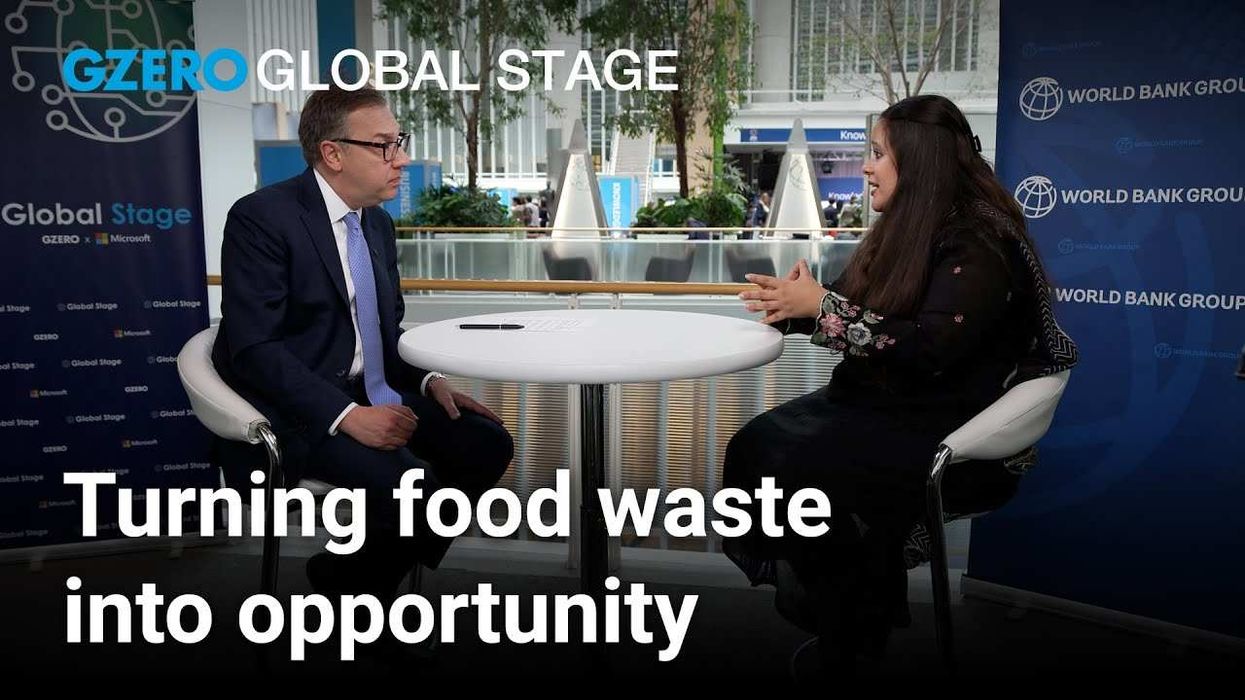
As the world faces rising food demand, social entrepreneur Nidhi Pant is tackling the challenge of food waste while empowering women farmers. Speaking with GZERO Media’s Tony Maciulis on the sidelines of the 2025 World Bank–IMF Annual Meetings, Pant explains how her organization, Science for Society Technologies (S4S), is helping smallholder farmers process and preserve their produce reducing massive post-harvest losses.

Hard truths on climate, education & poverty, from the UN’s Secretary-General
GZERO World Clips

Hard truths on climate, education & poverty, from the UN’s Secretary-General

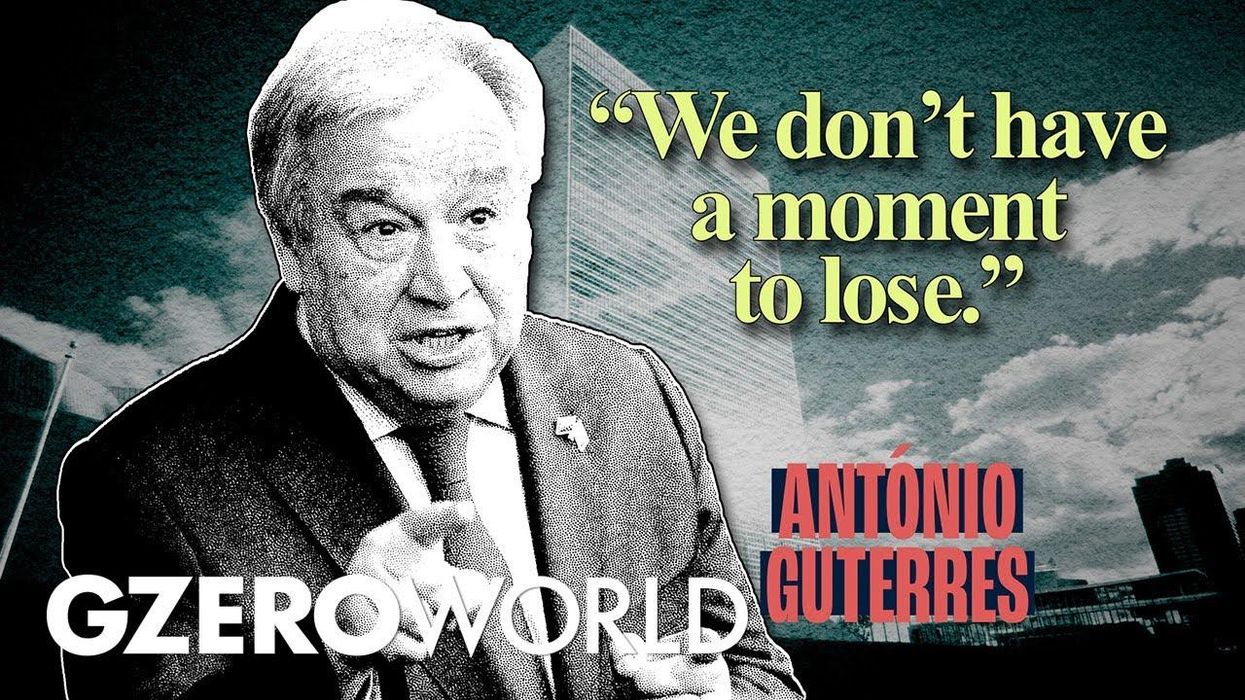
Global political division, a culture of impunity and a vacuum of consequences ... Russia's illegal invasion of Ukraine making climate change a “kind of second-order issue” (even as 50 million Pakistanis have been displaced by flooding, and more than 1,000 killed) - with "irreversible consequences" and "irreparable damage" coming "very soon" - "a world that is facing destruction everywhere" ... the threat that the world may not have enough food in 2023 due to fertilizer shortages ... there's a lot of bad news in the world, as UN Secretary-General Antonio Guterres discusses with Ian Bremmer on GZERO World.

António Guterres: the world won’t have enough food in 2023 without Russian fertilizer
GZERO World Clips

António Guterres: the world won’t have enough food in 2023 without Russian fertilizer

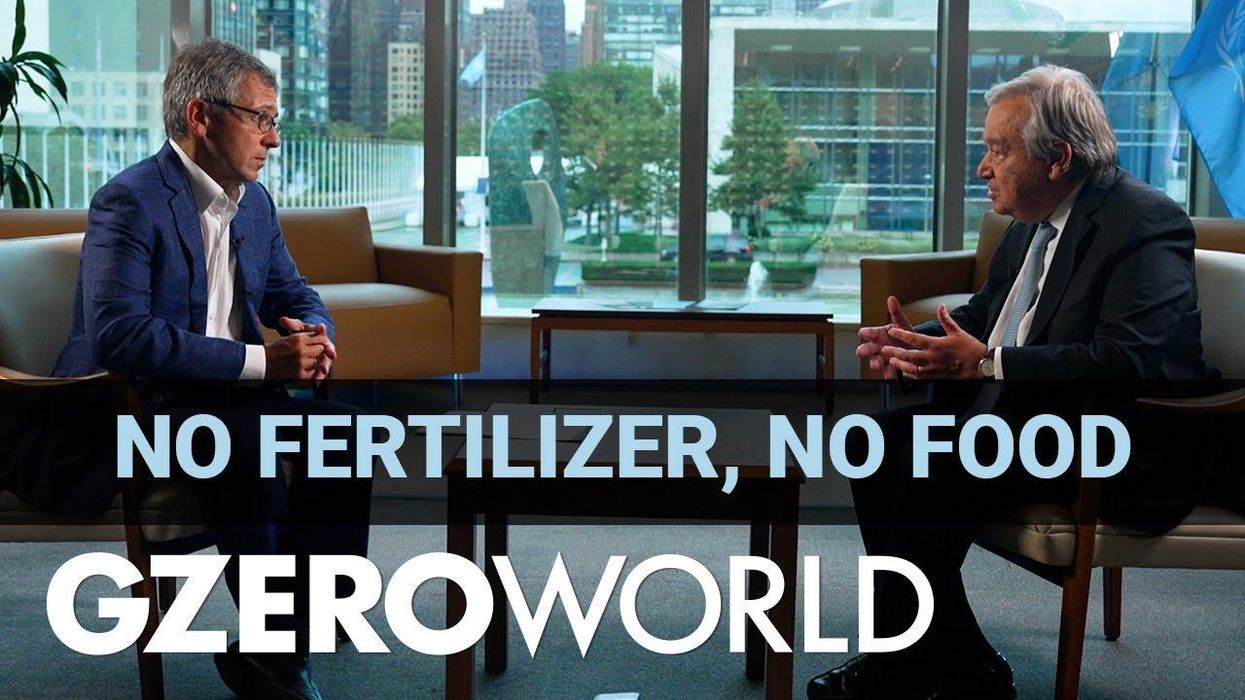
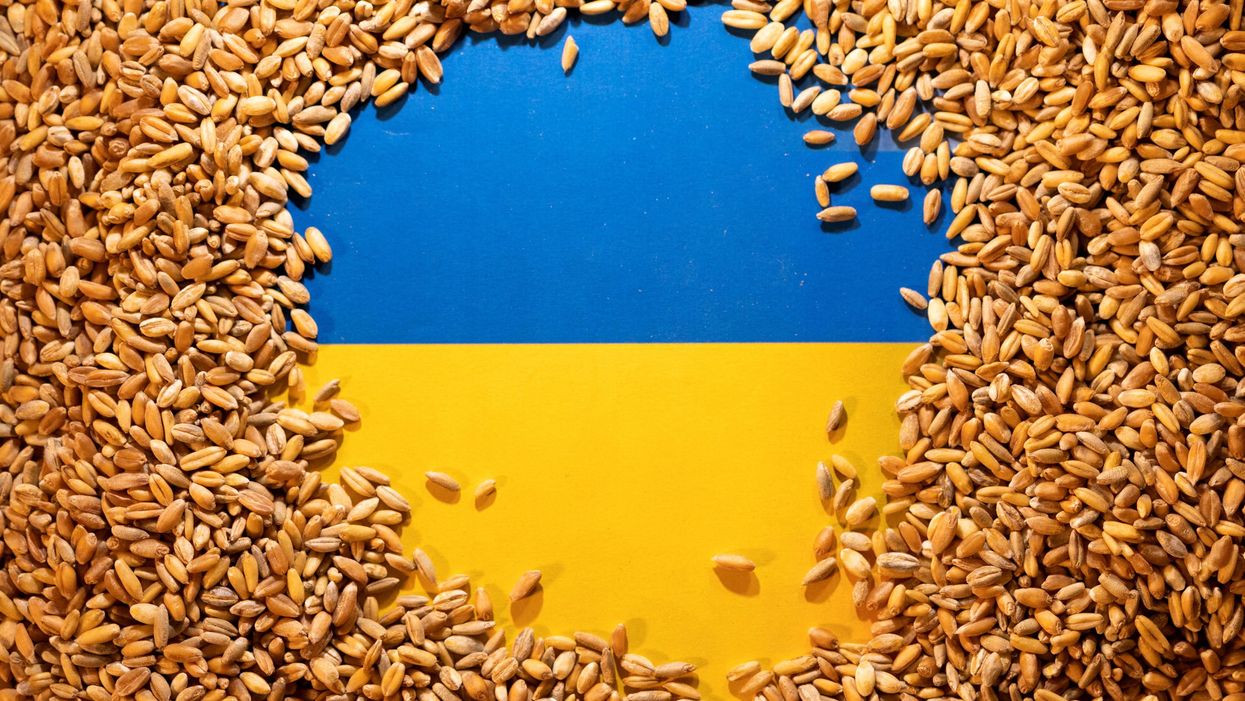
The UN- and Turkey-brokered deal with Russia to unblock Ukrainian grain exports stuck at Black Sea ports was a big success for the United Nations — and for Secretary-General António Guterres. The UN chief tells Ian Bremmer on GZERO World that this year we have enough food. But we may not in 2023 if we don't fix the Russian fertilizer market soon.

Innovation: cause for optimism amid the global food crisis
Video

Innovation: cause for optimism amid the global food crisis

How long will food prices keep rising? Will food itself become scarce? There's a lot of doom and gloom these days about the global food crisis, made even worse by Russia's war in Ukraine. But there are some reasons to be hopeful, Bill & Melinda Gates Foundation CEO Mark Suzman said during a livestream conversation hosted by GZERO Media in partnership with the organization he leads.

Why do the world's poorest pay more for the same food?
Video

Why do the world's poorest pay more for the same food?

Smallholder farmers in developing countries currently produce about 30% of the world's food. But they are way less productive than large-scale farmers in the developed world. Thomas Njeru, who knows a thing or two about smallholder farming because he grew up on a small farm in his native Kenya before co-founding a micro-insurance firm for smallholders, says boosting the productivity of smallholders could up global food output by 30% — more than enough to cover the 10% deficit we now face.

Global inflation shock
Quick Take

Global inflation shock

Ian Bremmer's Quick Take: No matter what your government looks like, you're dealing with very high inflation. This is a global inflation shock. The economic disruption hit everybody. First, COVID destroyed global supply chains, seizing up the global economy. Then China's zero-COVID - just as the United States and the Europeans vaxxed and relaxed, started unmasking and going about our business - the Chinese locked down Shanghai and Beijing and some of China's most important ports. We still get so many of our goods, especially the low-cost ones, from China. That hits with greater supply chain risk. On top of that, the war, the Russians invading Ukraine, leading to massive disruptions in energy, massive disruptions in food and fertilizer - all of that is increasing prices.