VIDEOSGZERO World with Ian BremmerQuick TakePUPPET REGIMEIan ExplainsGZERO ReportsAsk IanGlobal Stage
Site Navigation
Search
Human content,
AI powered search.
Latest Stories
Sign up for GZERO Daily.
Get our latest updates and insights delivered to your inbox.
Global Stage LIVE from United Nations WATCH REPLAY
News
Read the latest news from GZERO with insights on global events.
Presented by
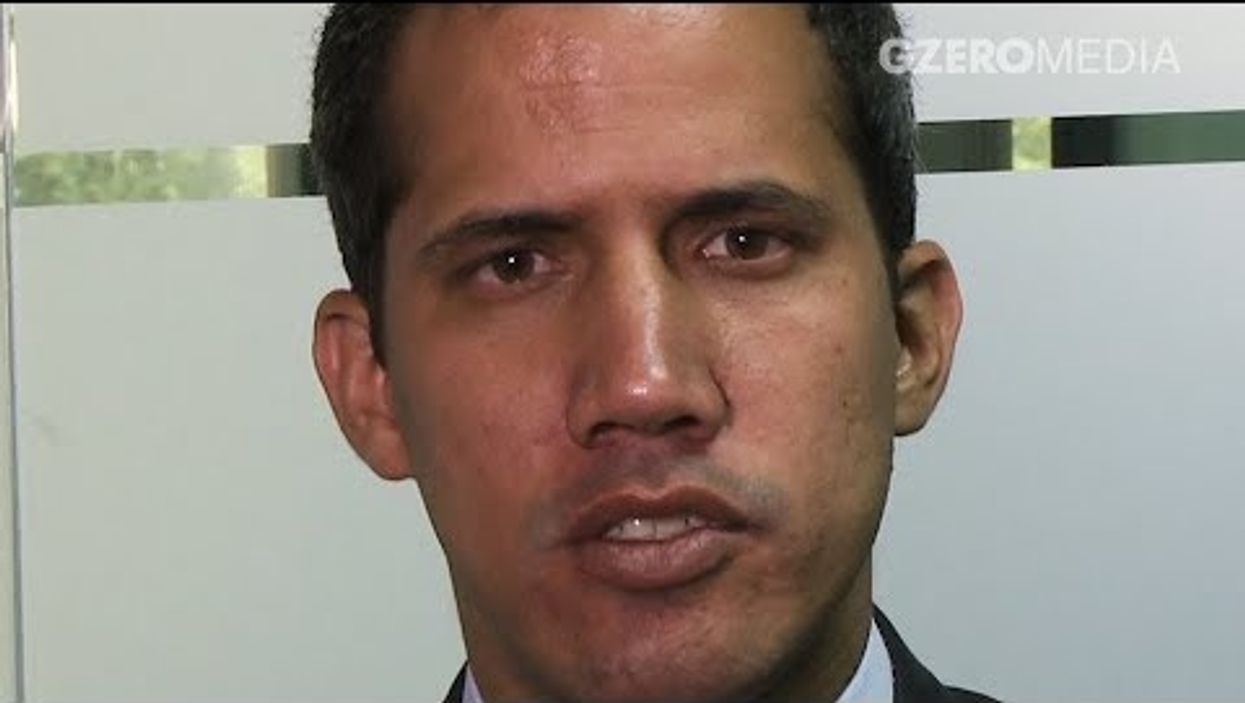
GZERO interviews Venezuelan opposition leader Juan Guaidó.
It once seemed so encouraging for Venezuela's political opposition: Millions in the streets. Strong international support. An unpopular autocrat seemingly on the ropes. But what a difference a month can make.
In early March, Juan Guaidó — the man recognized by dozens of countries as Venezuela's interim president — returned home to cheering crowds. He had been abroad for almost two weeks, currying favor with other regional governments, and trying to get much–needed humanitarian aid to his countrymen.
But in the days since then, little has changed. Venezuelan President Nicolás Maduro remains in power, despite having overseen one of the most staggering economic collapses in modern history.
Guaidó's overtures to the military to drop their support for Maduro have had little effect — only an estimated 1,000 soldiers and national police have defected, despite huge protests, growing sanctions pressure, and the whispered threat of US military action. The top brass remains loyal to Maduro.
In fact, after a few weeks of mostly ignoring Mr. Guaidó, Venezuelan authorities have quietly ratcheted up pressure of their own. Earlier this week, in a pre-dawn raid, the intelligence services detained Mr. Guaidó's chief of staff at his home, raising the possibility that the government may be closing in on Mr. Guaidó himself.
With relatively few tangible gains to show recently, what is Guaidós plan? Is he open to US military intervention? What would a realistic transition look like?
He sits down with us to answer these very questions. Watch the interview here.
More from News
Rare earths aren’t so rare in China
October 20, 2026
Alberta nixes independence - but immigration is the real story
October 20, 2026
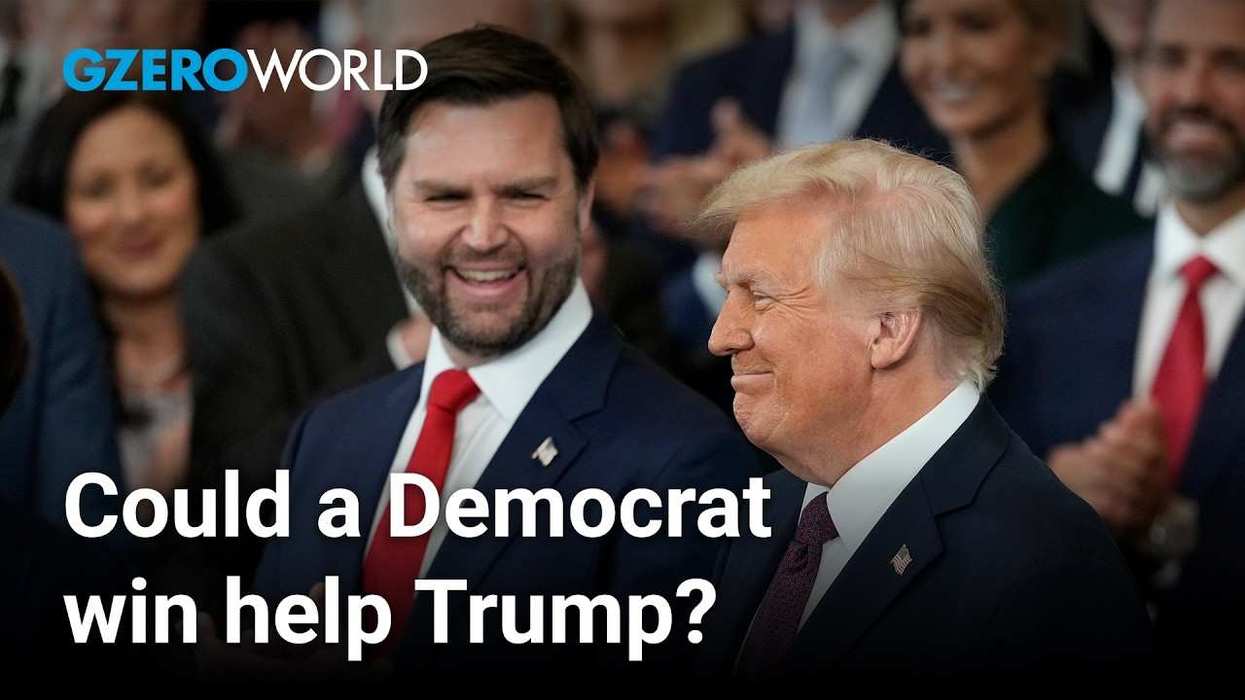
What a Democratic Congress would mean for Trump and the GOP
October 20, 2026
Could Chinese AI give Europe an edge?
Oct 19, 2026
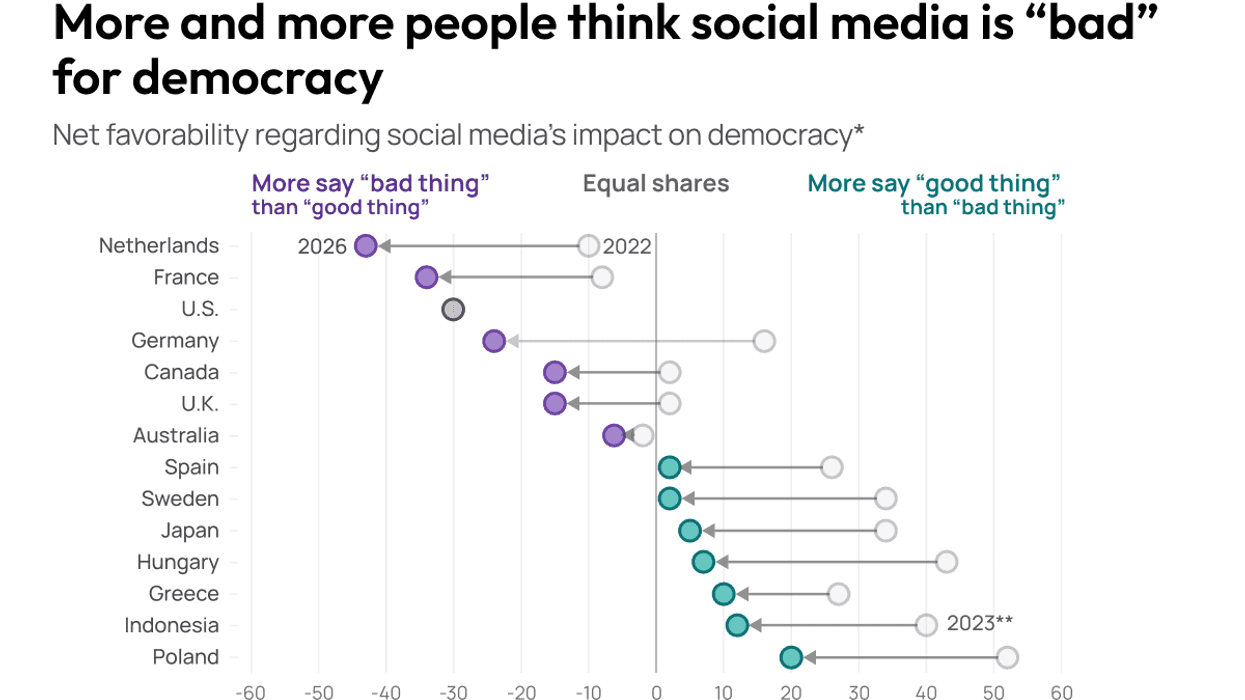
Is social media bad for democracy?
October 19, 2026
Another break in the Trump-Zelensky relationship
Oct 19, 2026

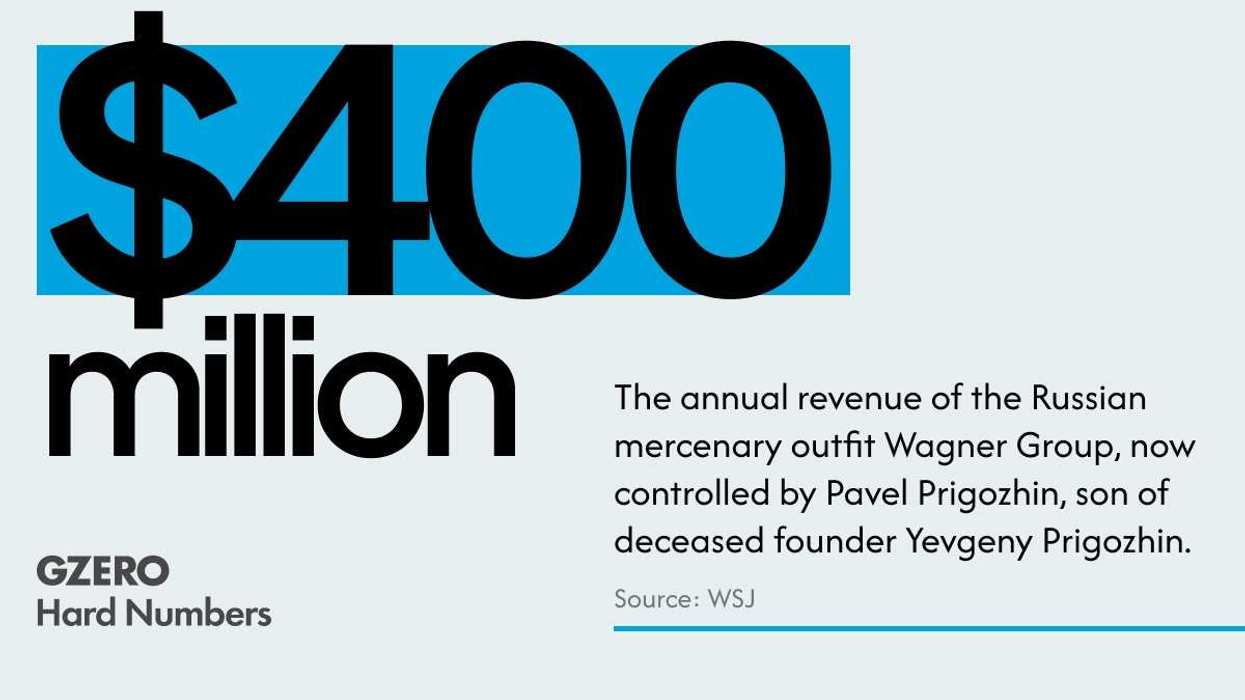
Warlord Jr. carries on the family business in Russia
October 19, 2026
Can Republicans survive Trump's unpopularity?
October 19, 2026
Midterms 2026: Is a blue wave coming?
Oct 18, 2026
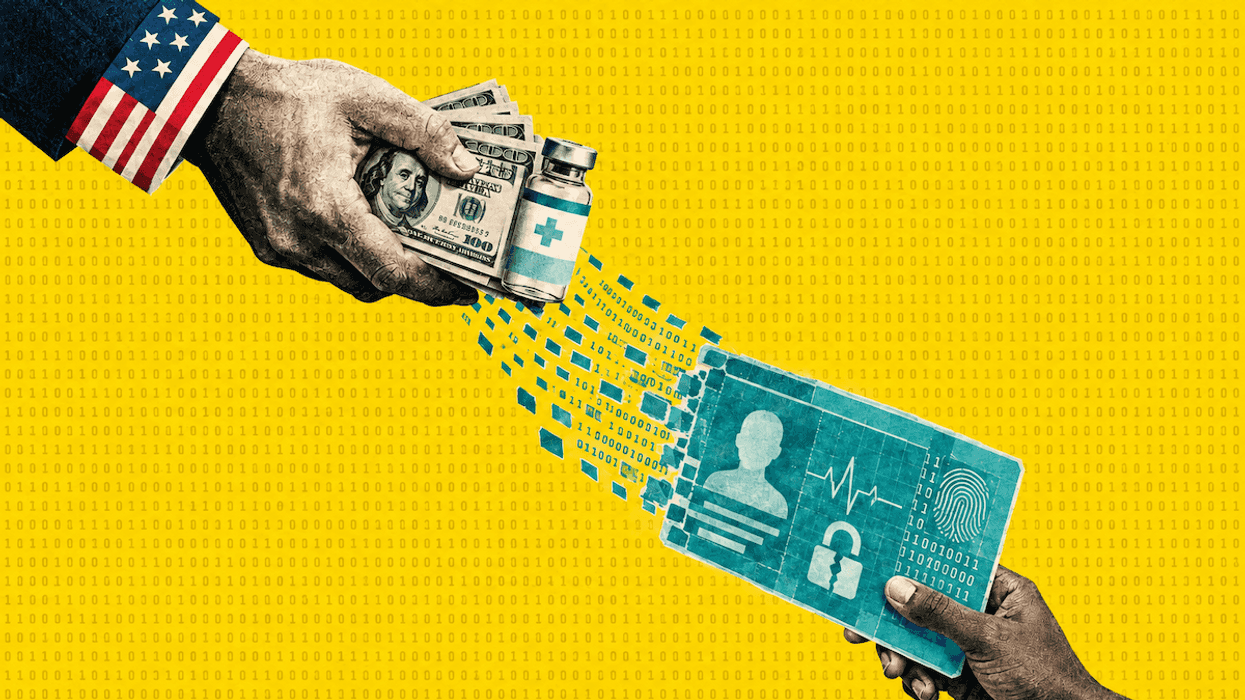
Washington’s controversial new approach to foreign aid
October 16, 2026
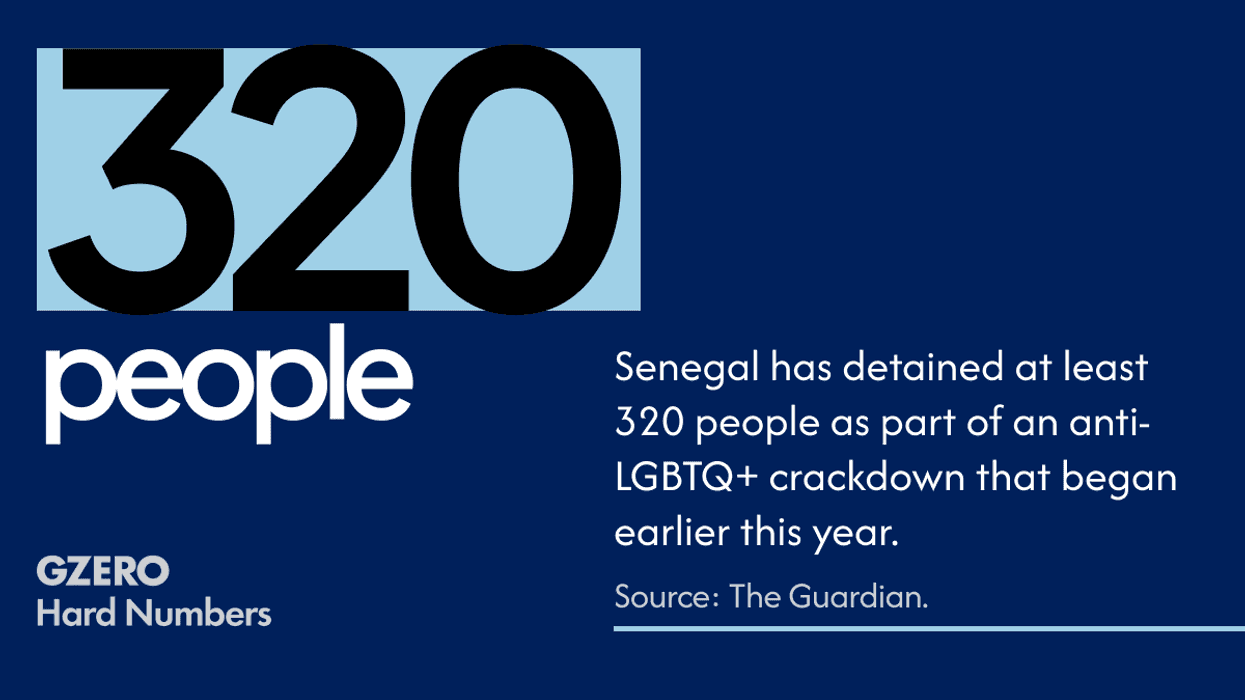
Senegal’s LGBTQ+ crackdown
October 16, 2026

You vs. the News: A Weekly News Quiz - October 16, 2026
October 16, 2026
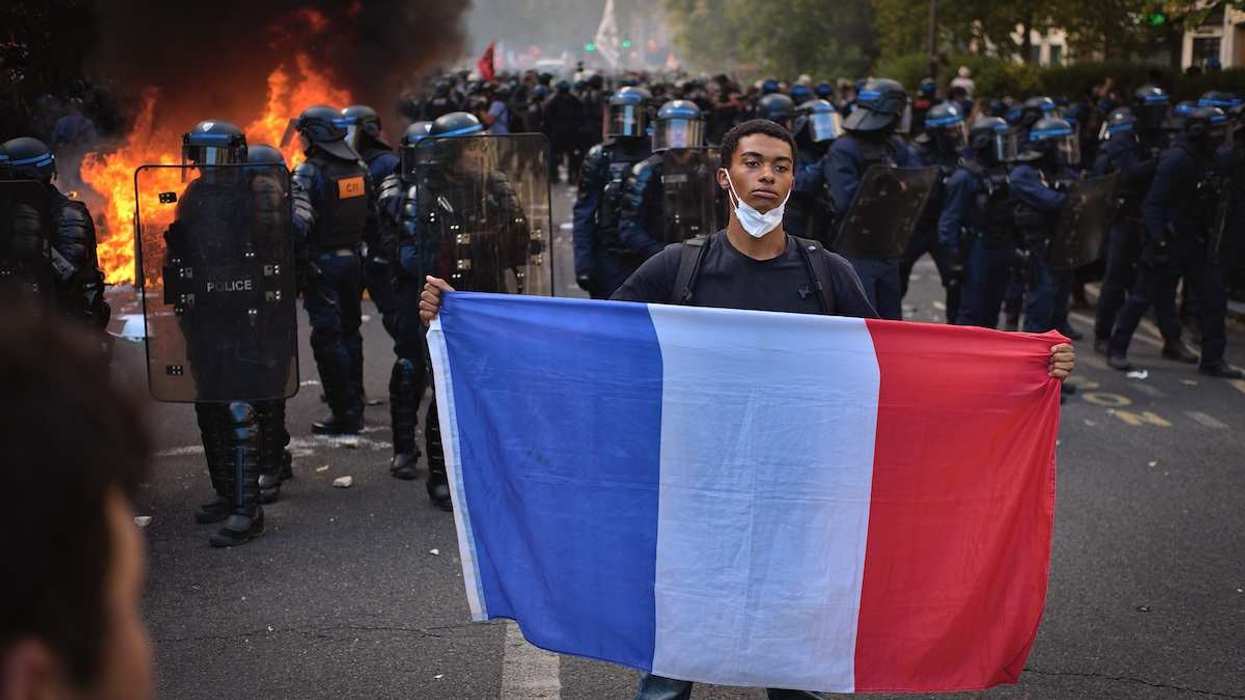
The French are furious at Macron–for good reason
October 15, 2026
AI is becoming a superweapon
October 15, 2026
Fall survival kit from the Puppet Regime Ministry of Merch
October 15, 2026
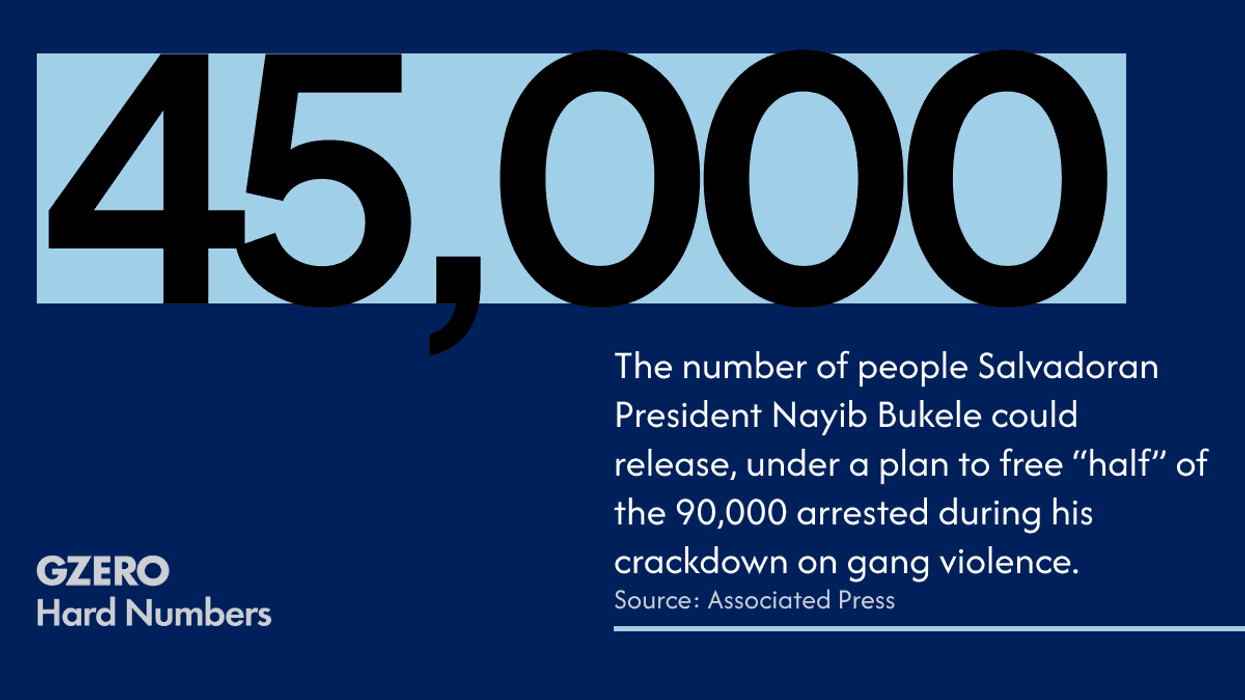
El Salvador to free tens of thousands
October 15, 2026
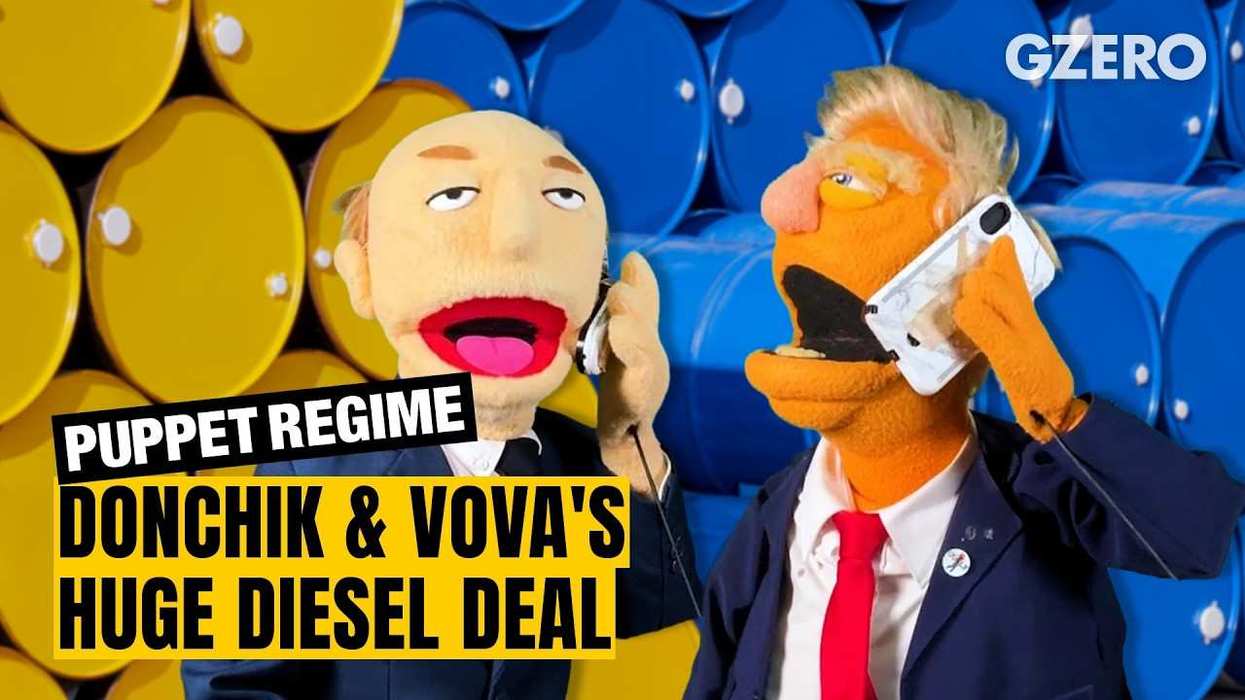
Trump Strikes MASSIVE Diesel deal with Russia
Oct 15, 2026
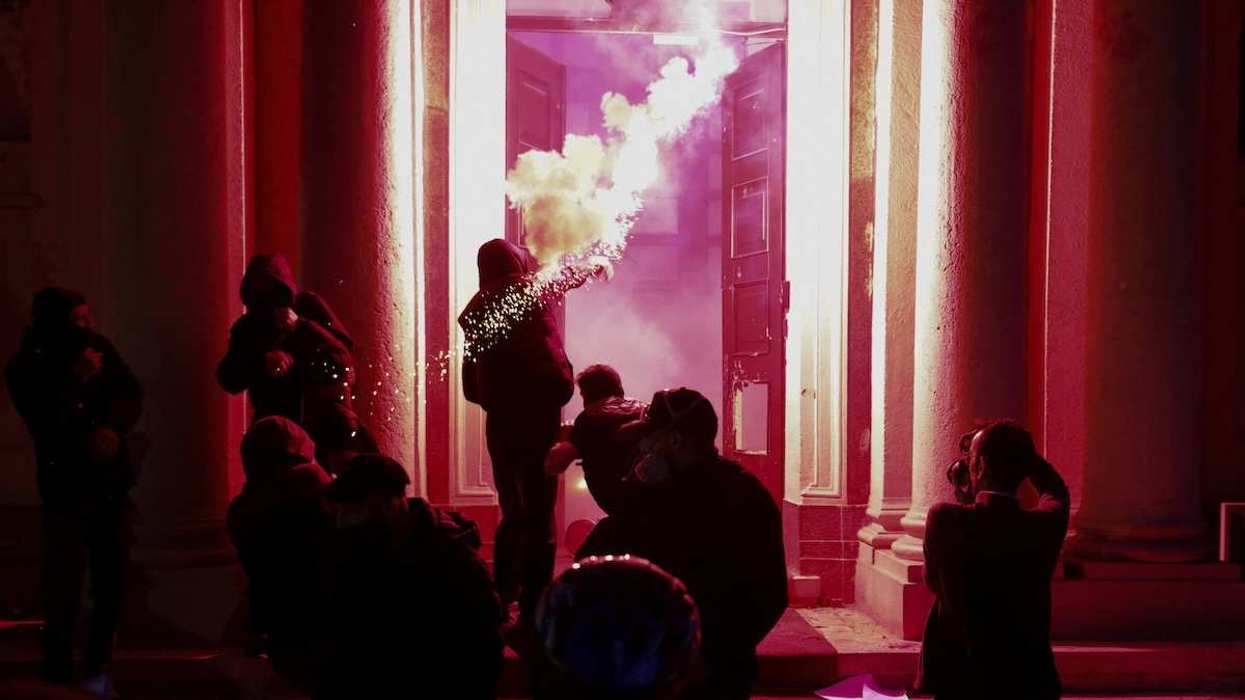
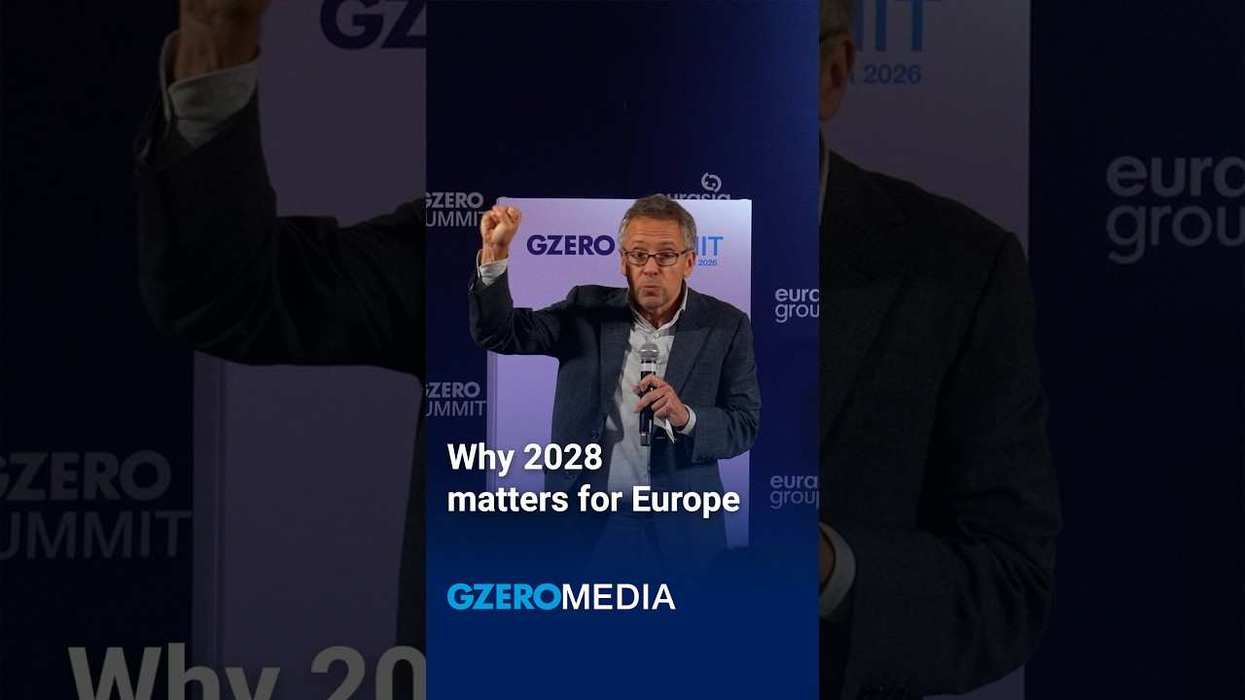
Why 2028 matters for Europe
October 15, 2026

Hobbies are having a moment
October 14, 2026
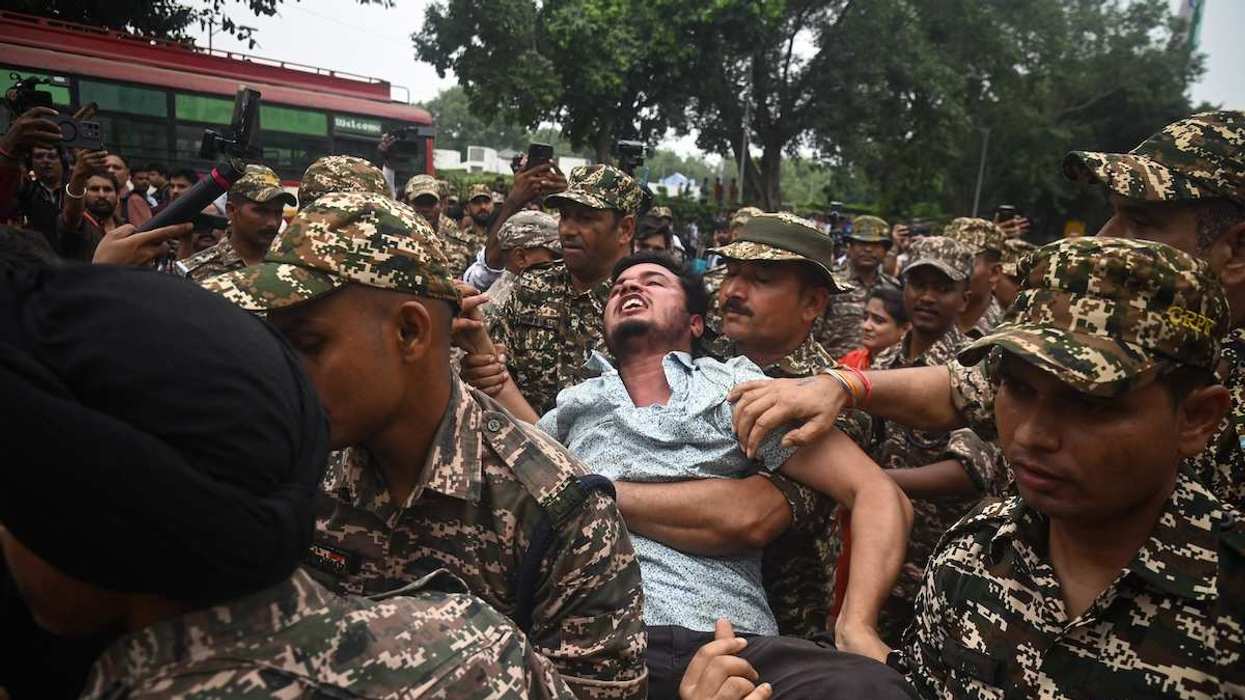
Modi’s cockroach problem
October 14, 2026
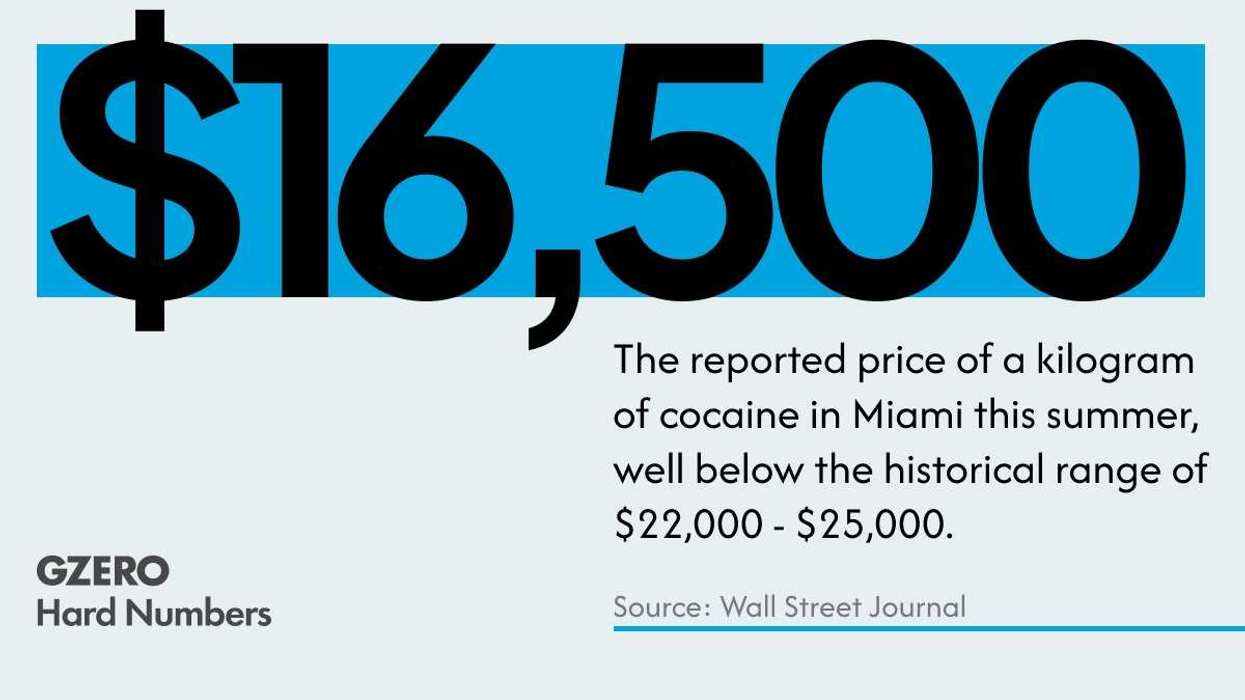
Coke trade booms despite crackdowns
October 14, 2026
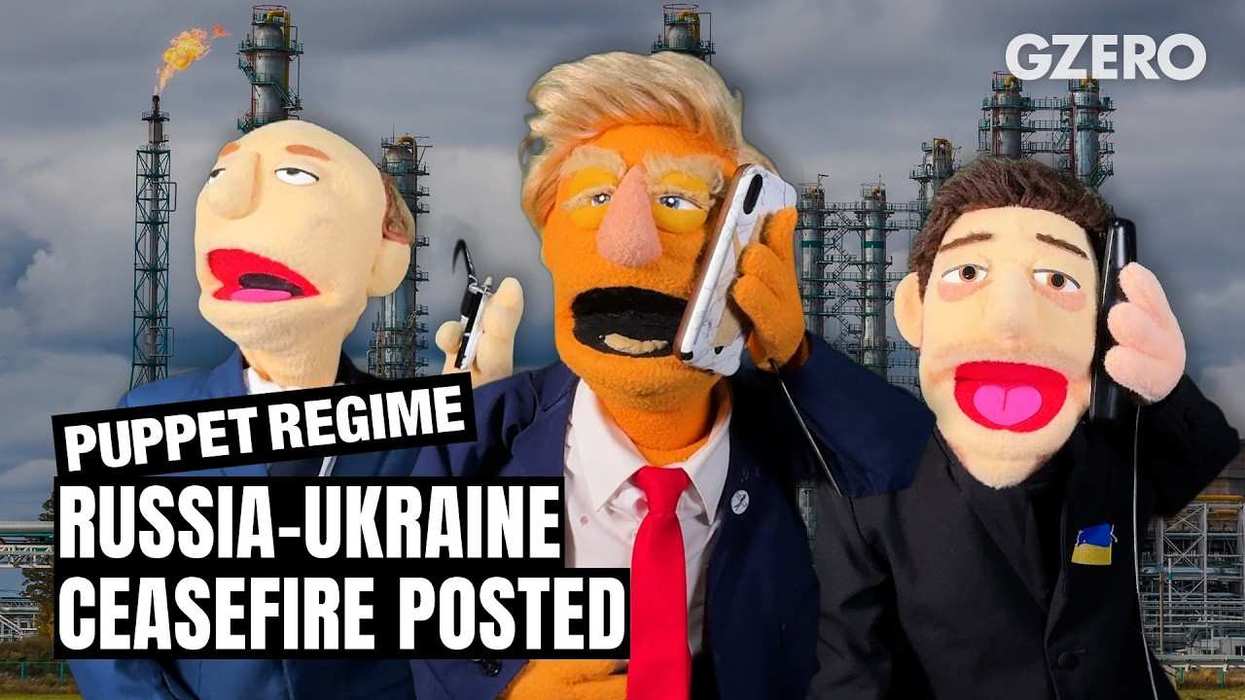
Russia-Ukraine ceasefire posted
October 14, 2026
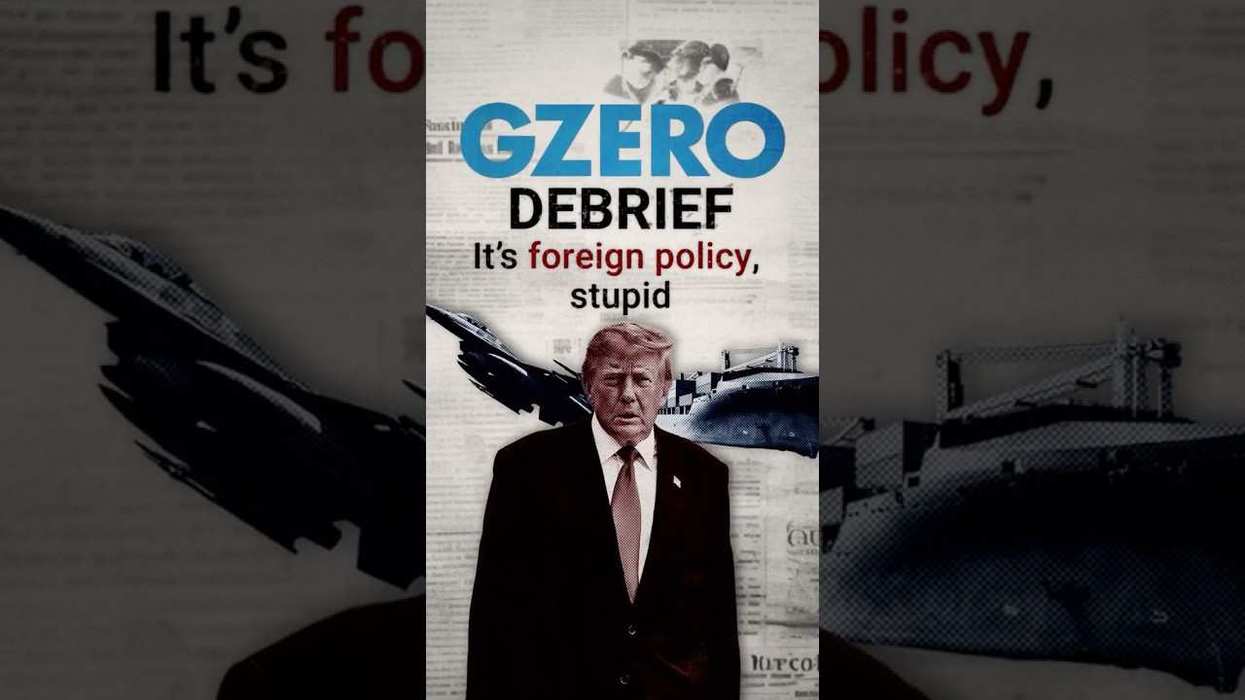
Could Trump’s foreign policy sink the GOP?
October 14, 2026
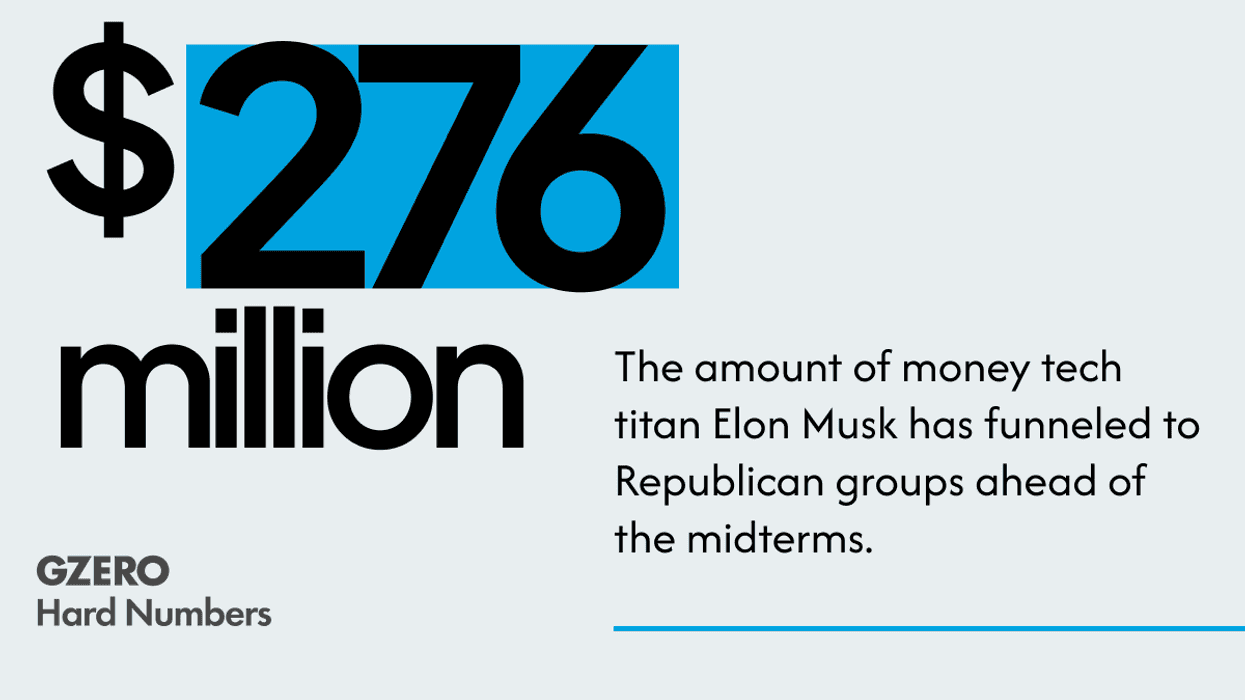
The GOP’s Musky scent
October 13, 2026

Restoring wetlands through cross-sector collaboration
October 12, 2026
Trump's Russian diesel deal and what it means for Ukraine
October 12, 2026
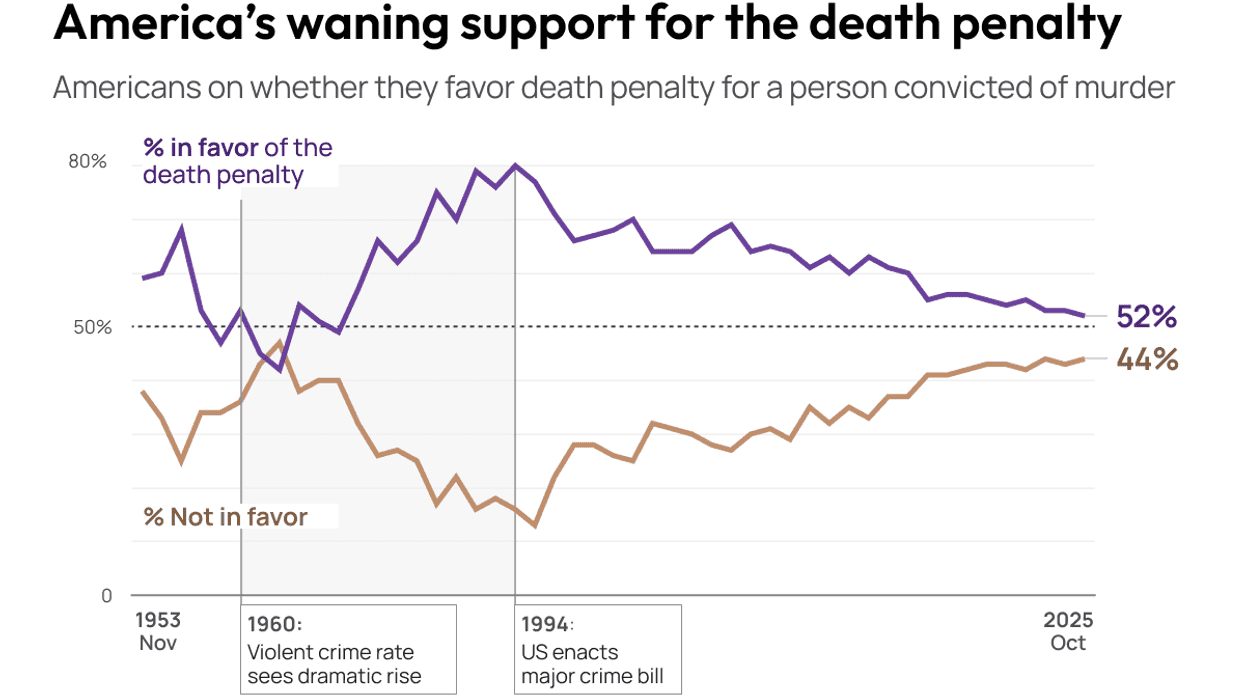
America’s waning support for the death penalty
October 12, 2026
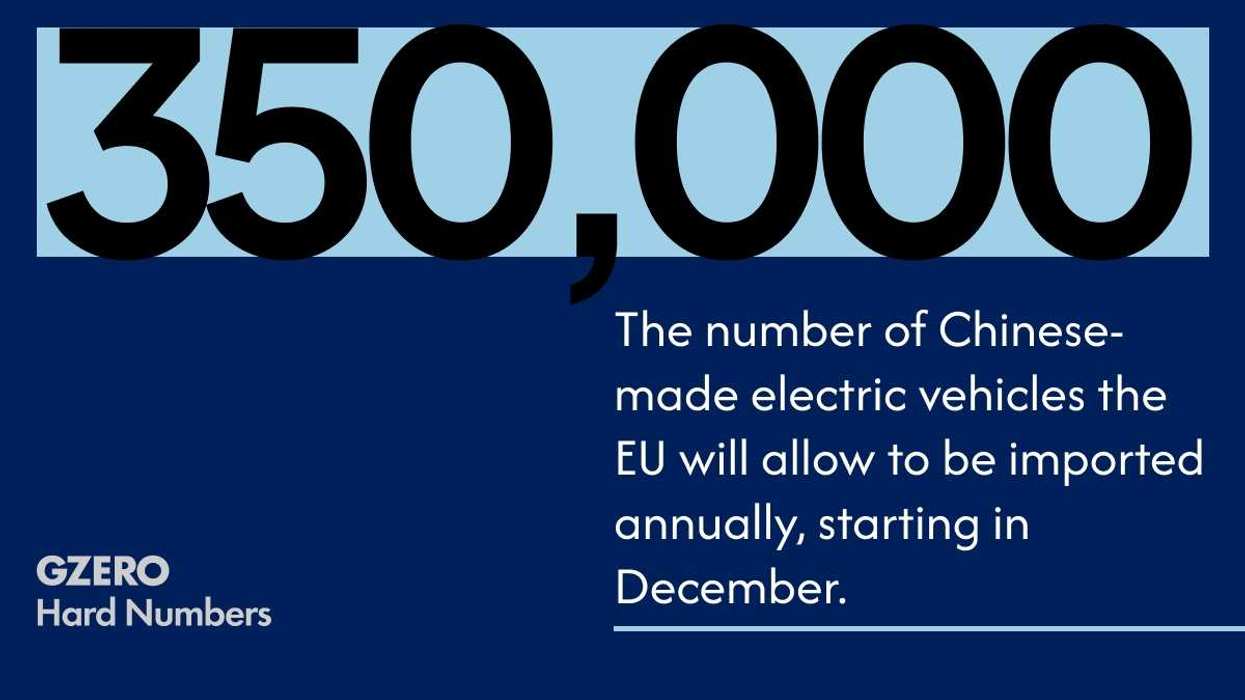
EU puts the brakes on Chinese EVs
October 12, 2026
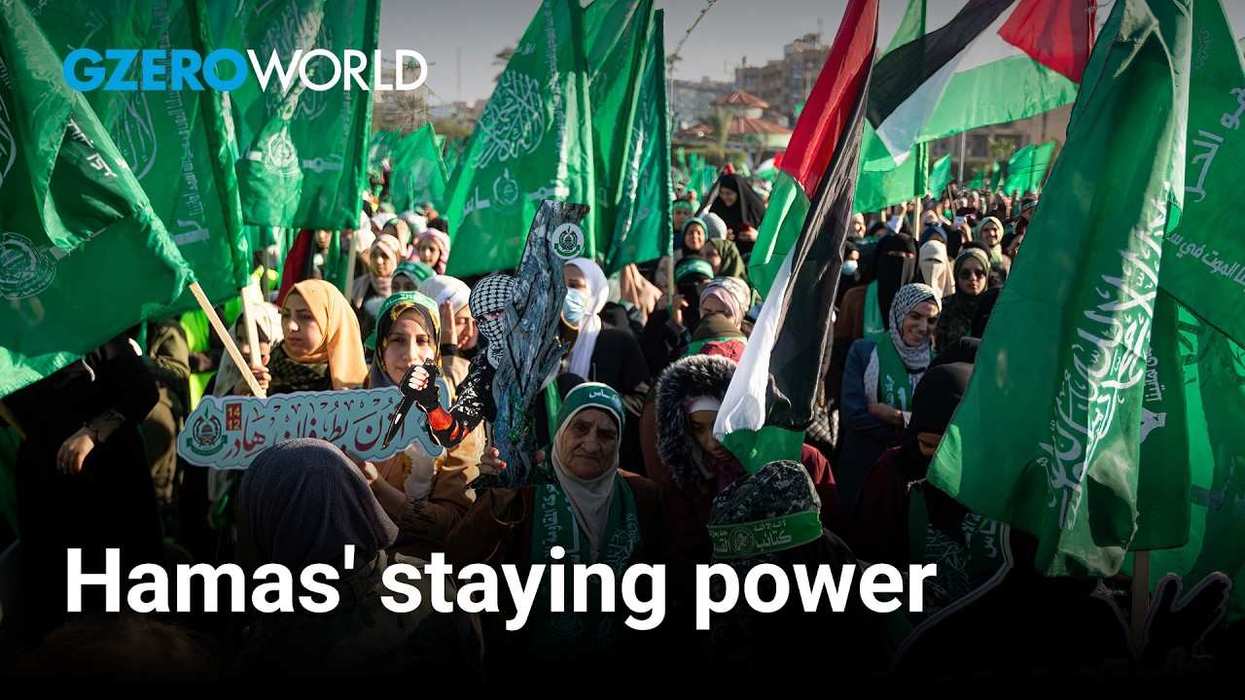
How Hamas has held onto power in Gaza
October 10, 2026
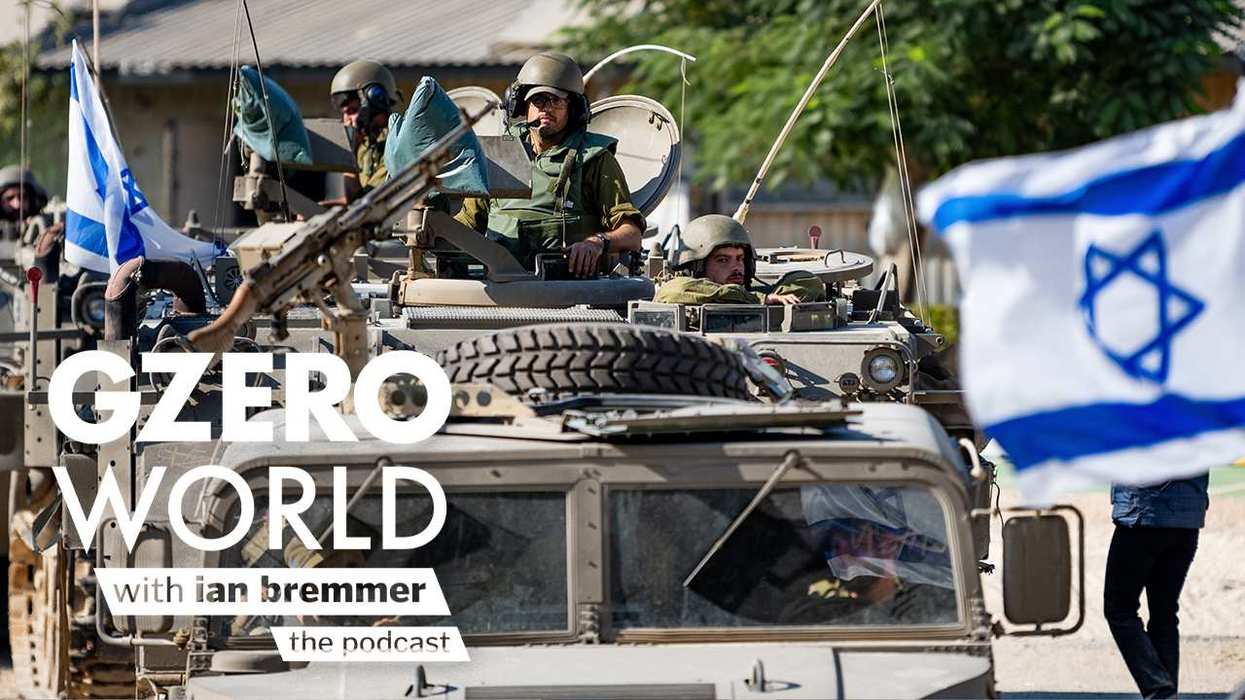
Three years after October 7, with Aaron David Miller
October 09, 2026
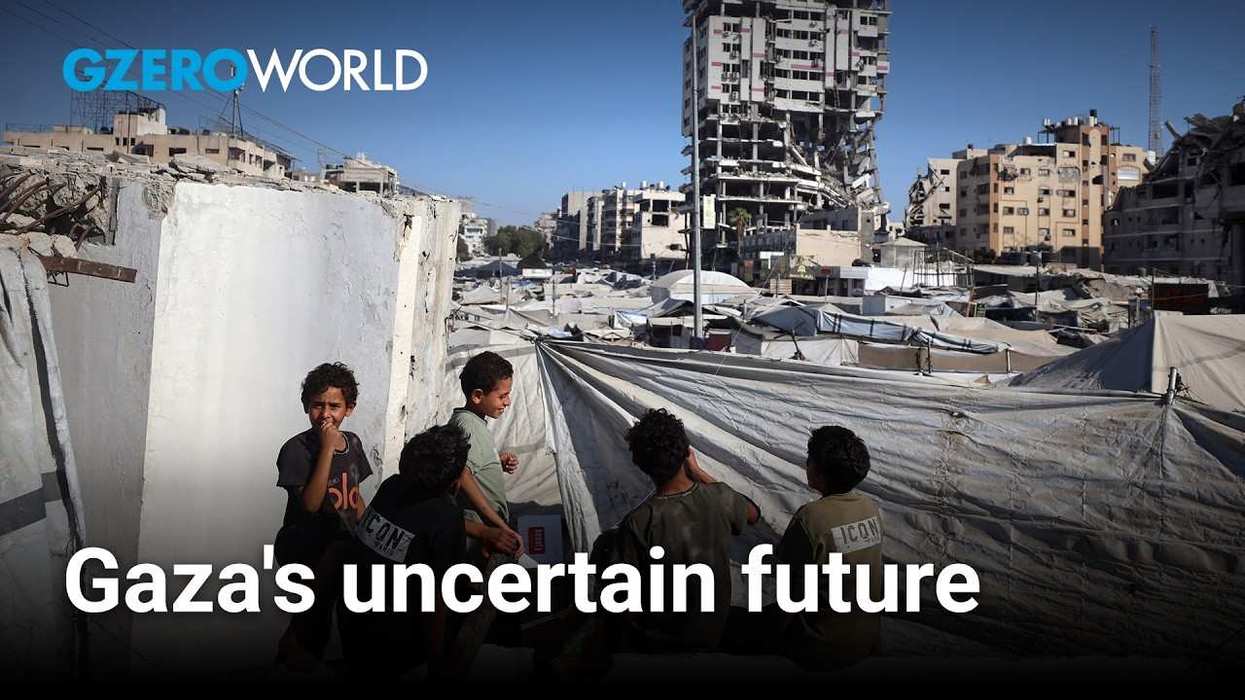
Three years on, Gaza remains in limbo
October 09, 2026
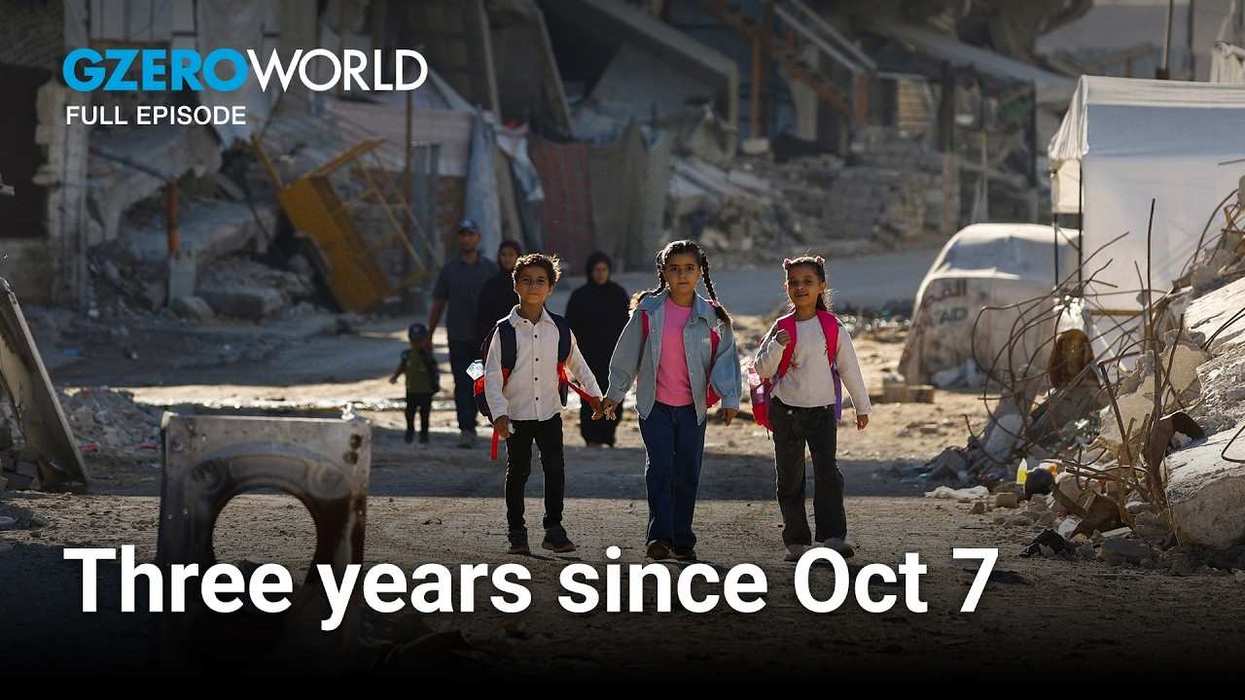
How October 7 changed the Middle East, three years on
October 09, 2026
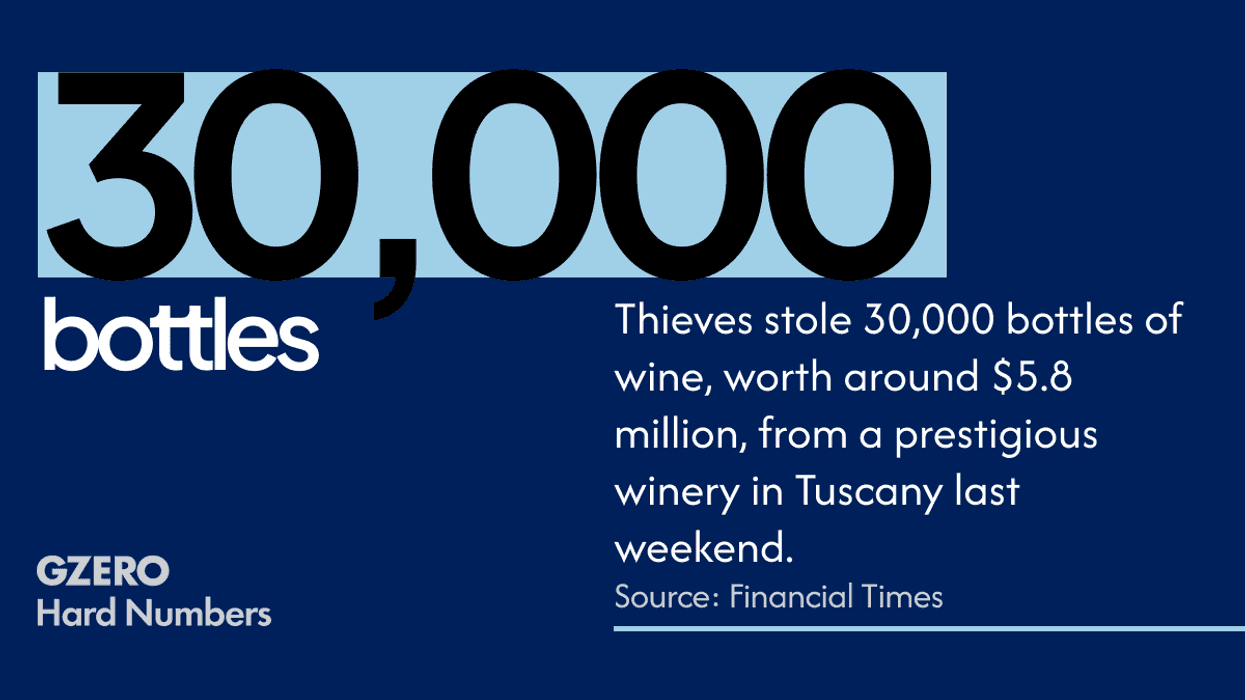
Italian winery sees red
October 09, 2026
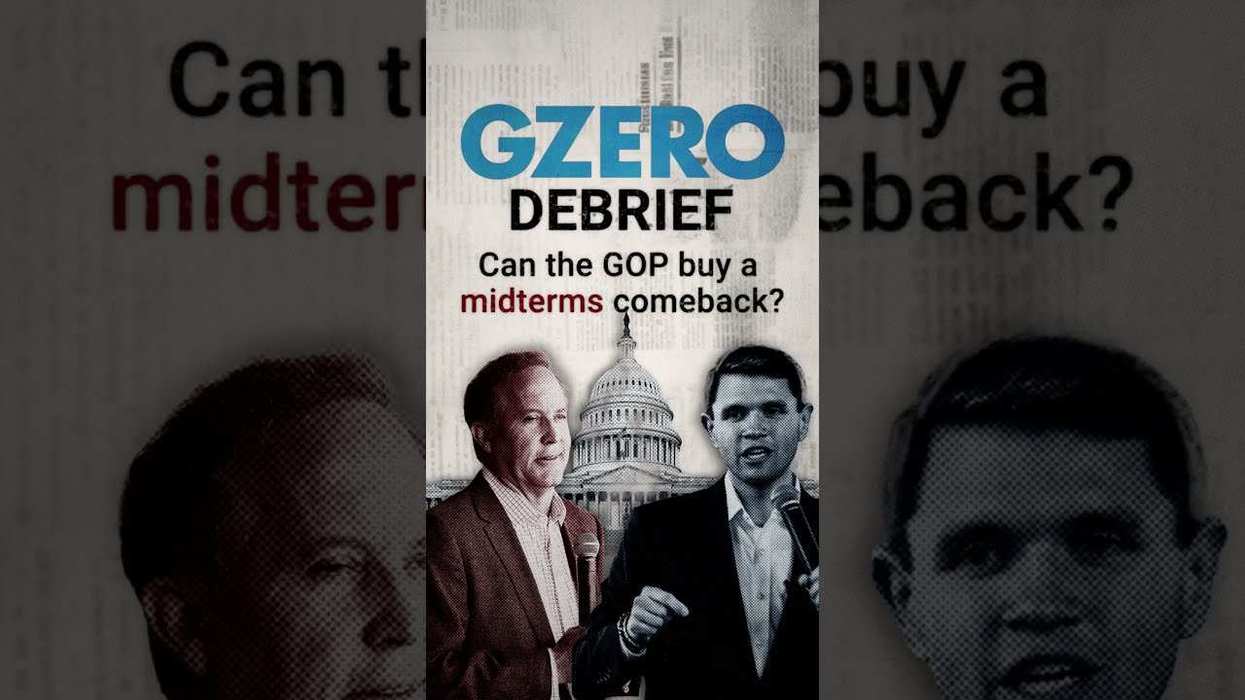
Can GOP dollars prevent a midterms shellacking?
October 09, 2026
You vs. the News: A Weekly News Quiz - October 9, 2026
October 09, 2026
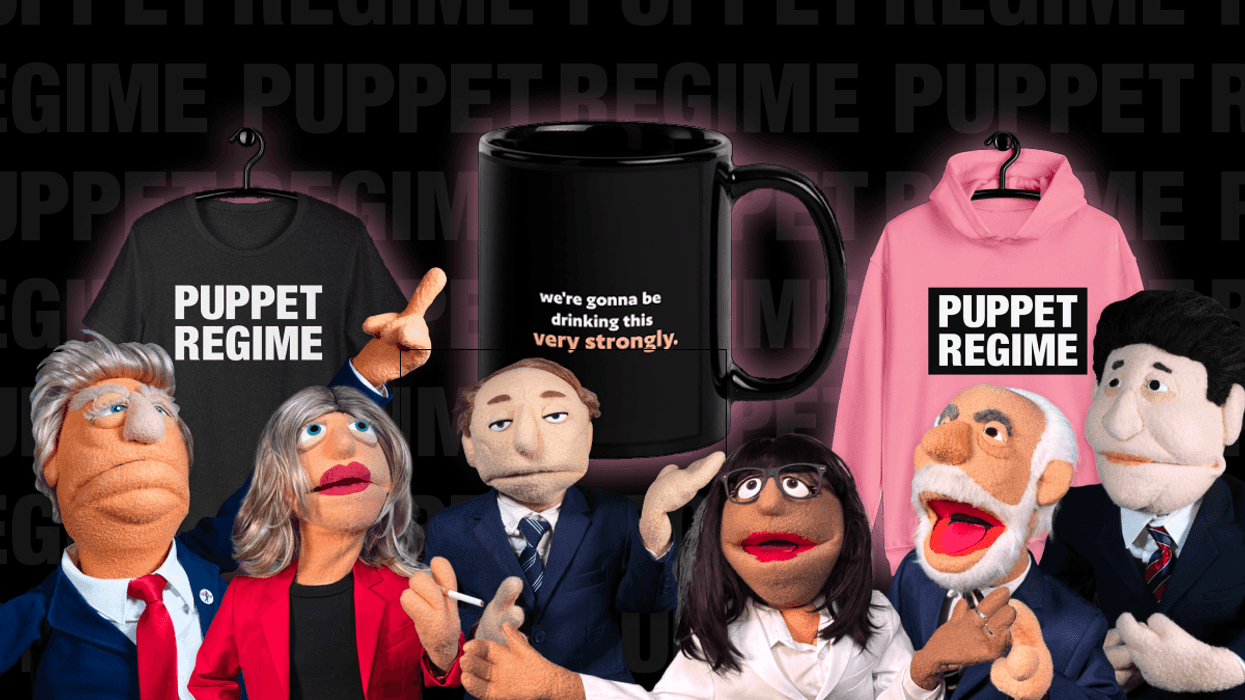
Dress for seasonal chaos from the Puppet Regime Ministry of Merch
October 08, 2026

Xi wishes Putin a Happy Birthday
October 08, 2026
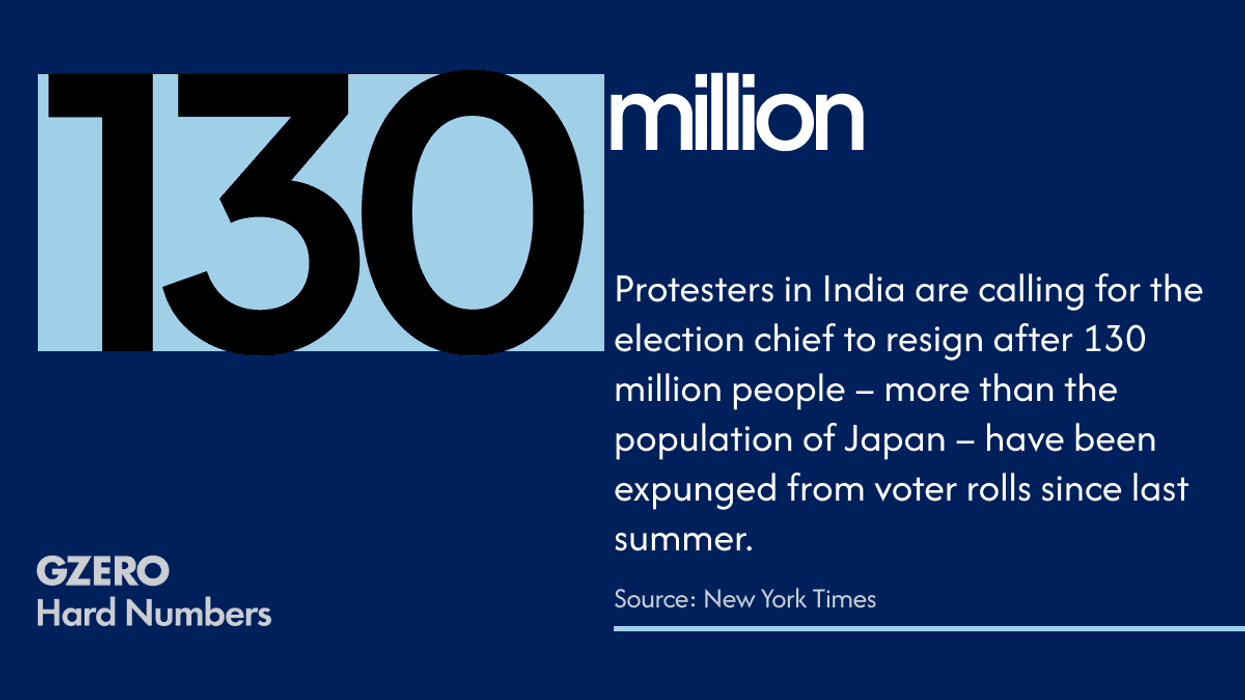
India’s voter-list purge sparks backlash
October 08, 2026
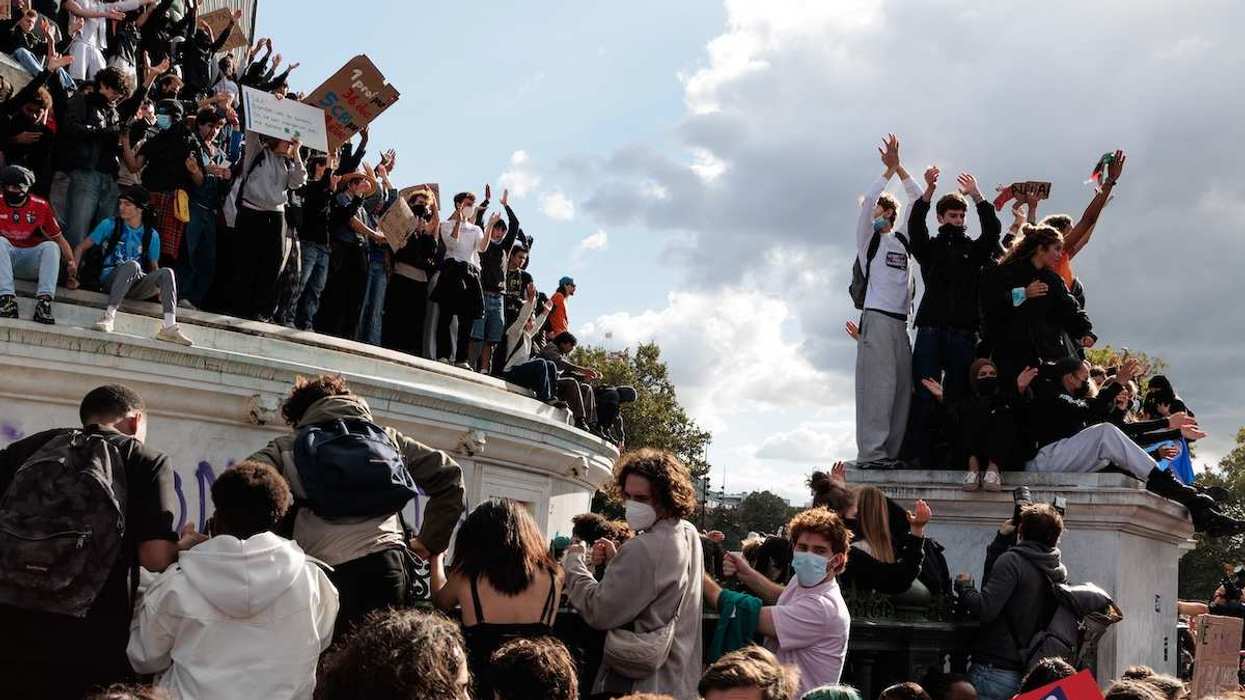
Do you hear the students sing?
October 08, 2026
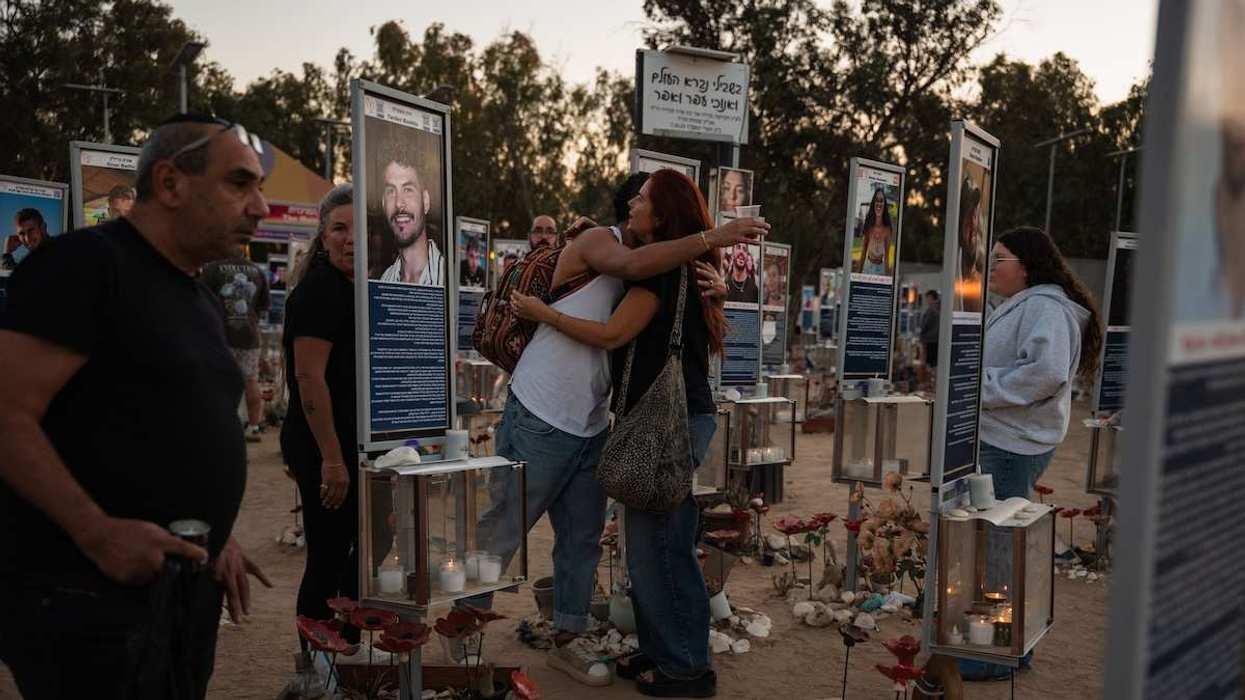
Three years after 10/7, Israel looks backward and forward
October 07, 2026


Gen Z is making moves
October 07, 2026
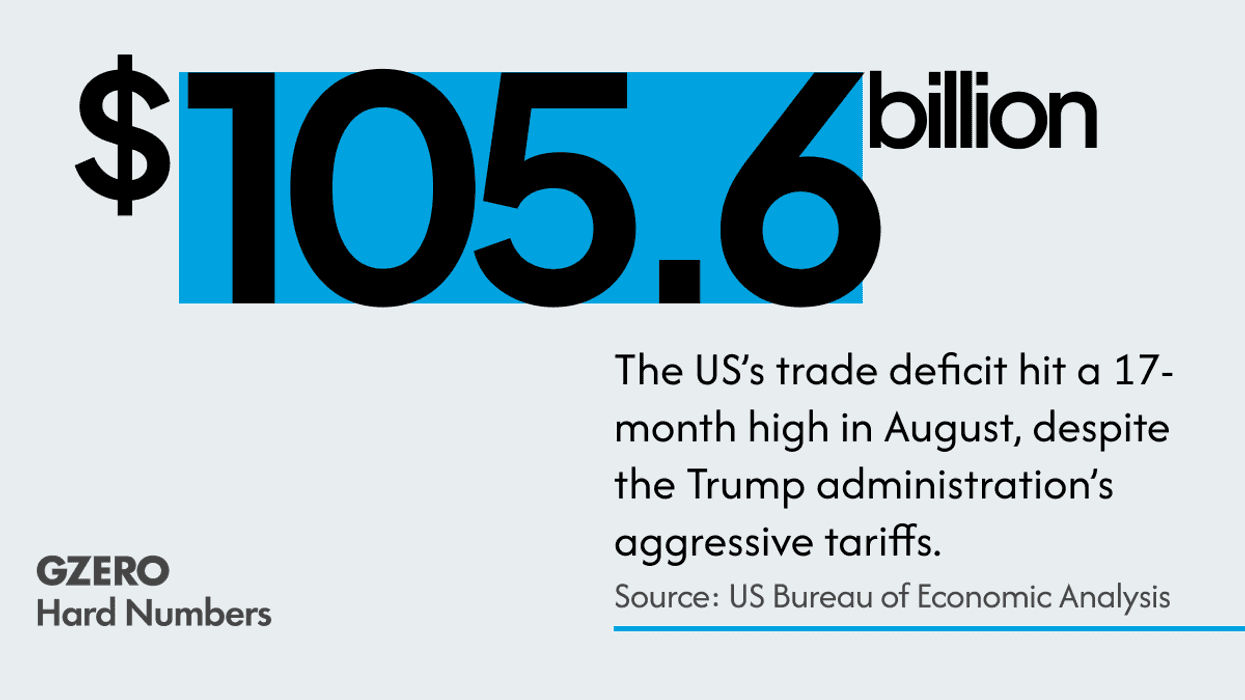
Trade troubles
October 07, 2026
AI, capitalism, and who pays the price
October 07, 2026
Trump is tanking the GOP's midterm chances. Does he care?
October 06, 2026
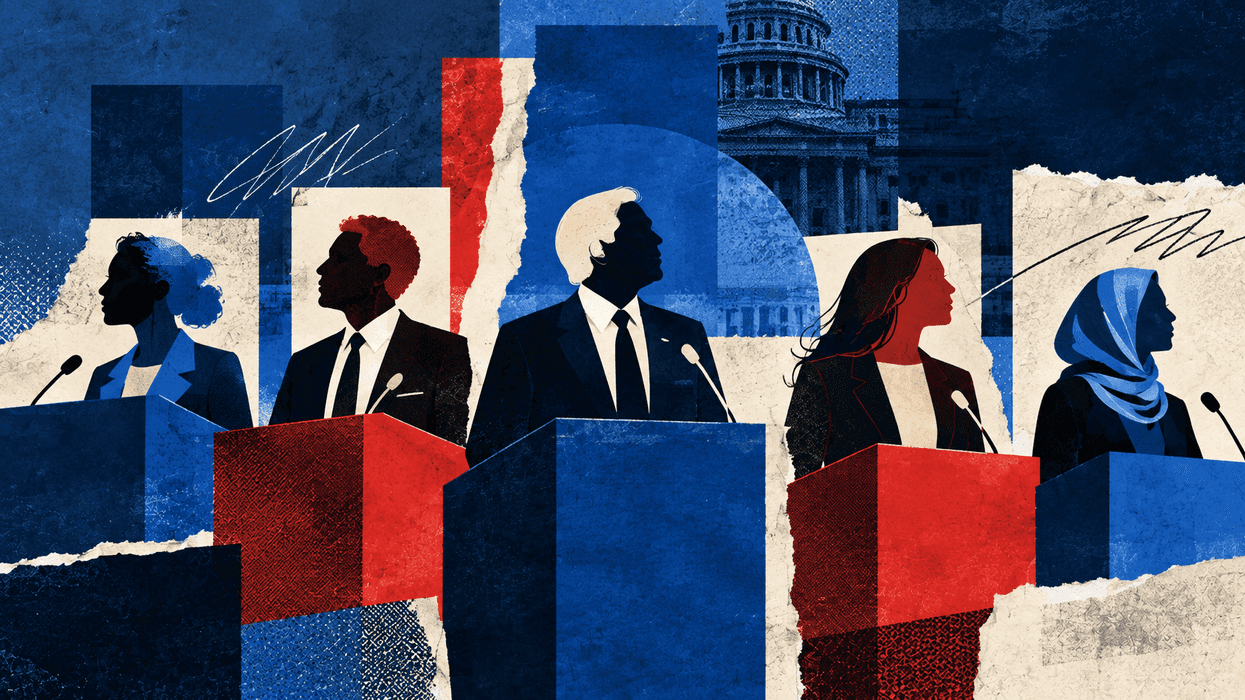
Who is “electable” in 2026?
October 06, 2026
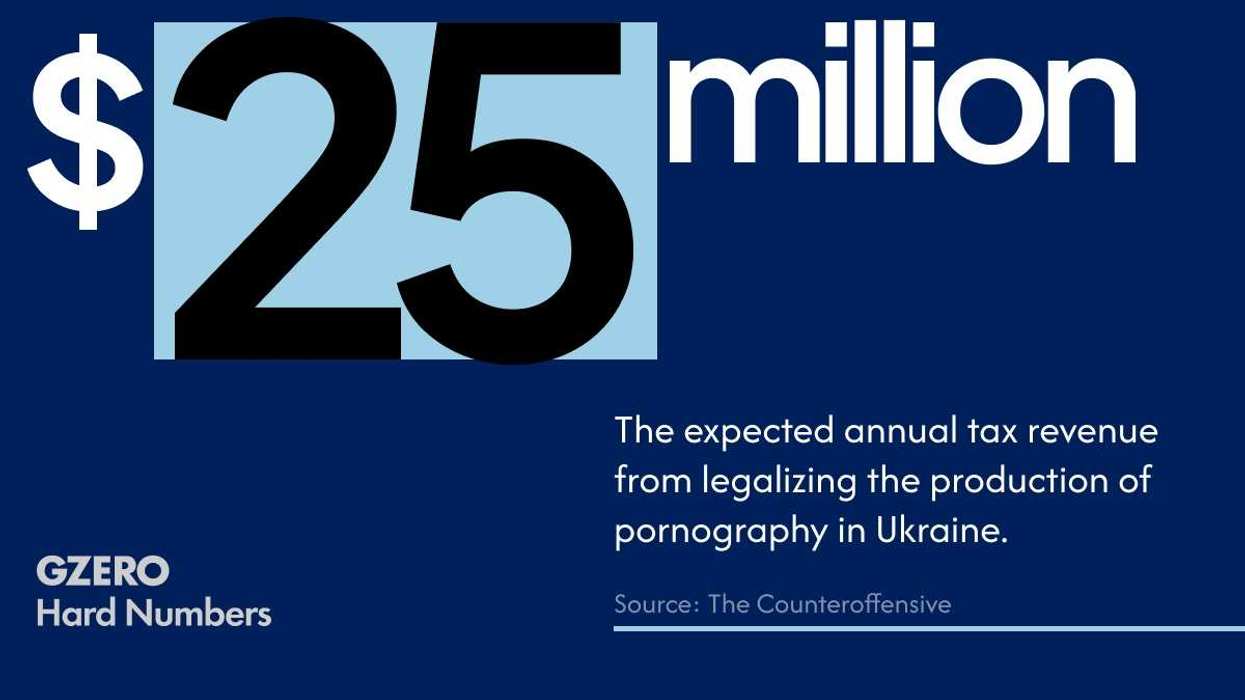
Ukraine weighs legalizing porn to help war effort
October 06, 2026
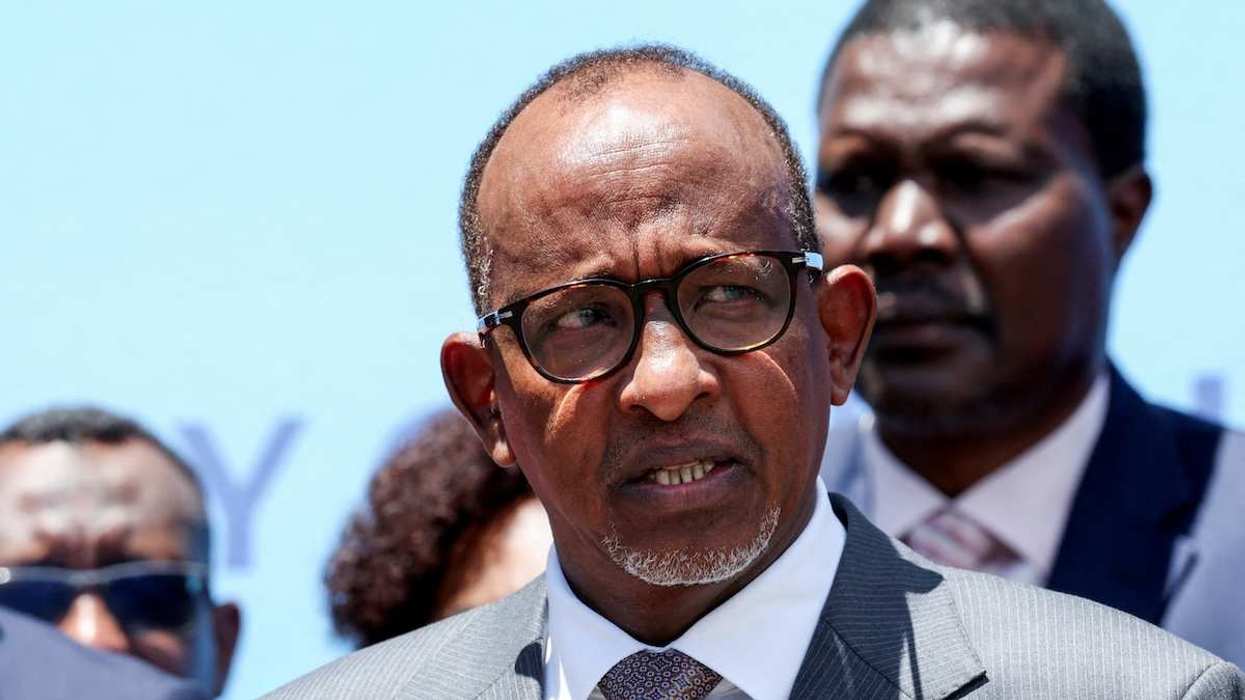
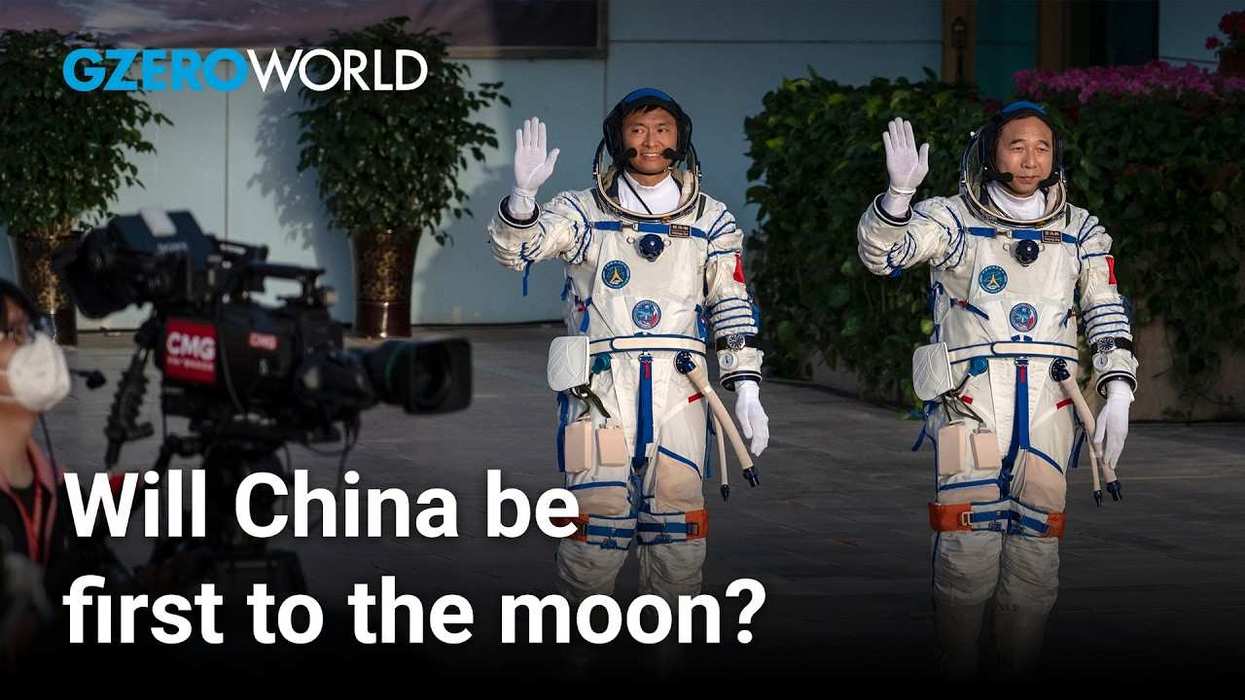
What happens if China wins the space race?
October 06, 2026
Microsoft Digital Defense Report 2026
October 05, 2026
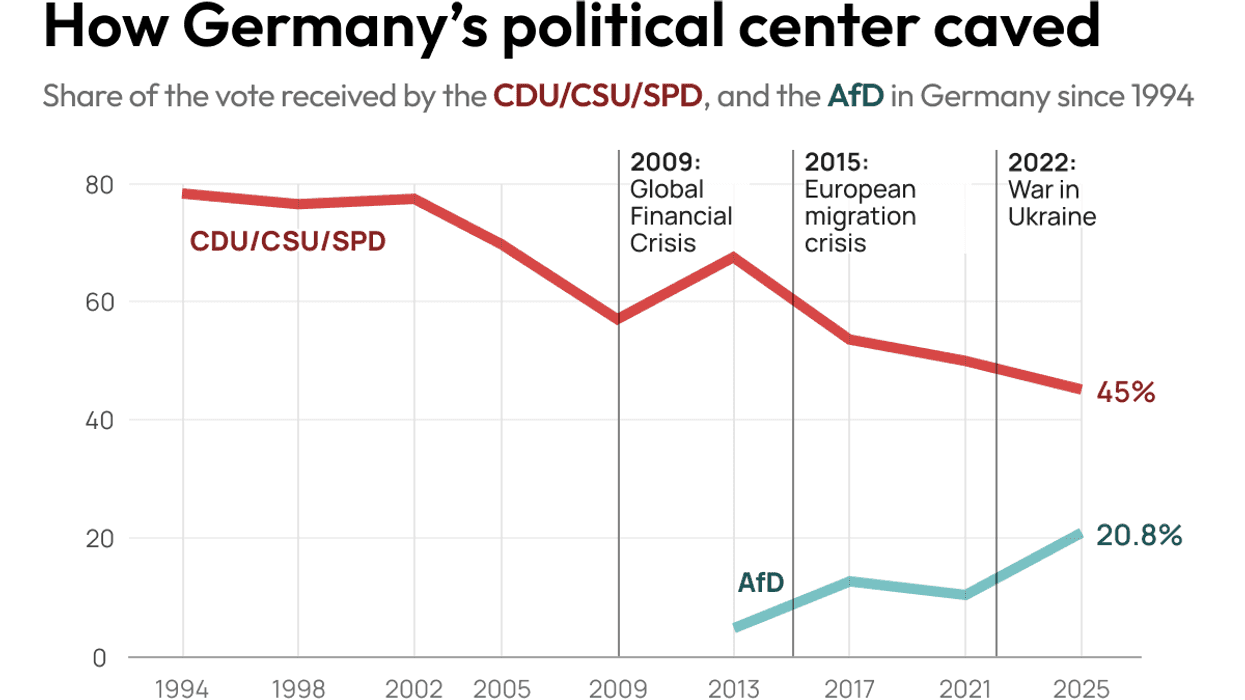
How Germany’s political center caved
October 05, 2026
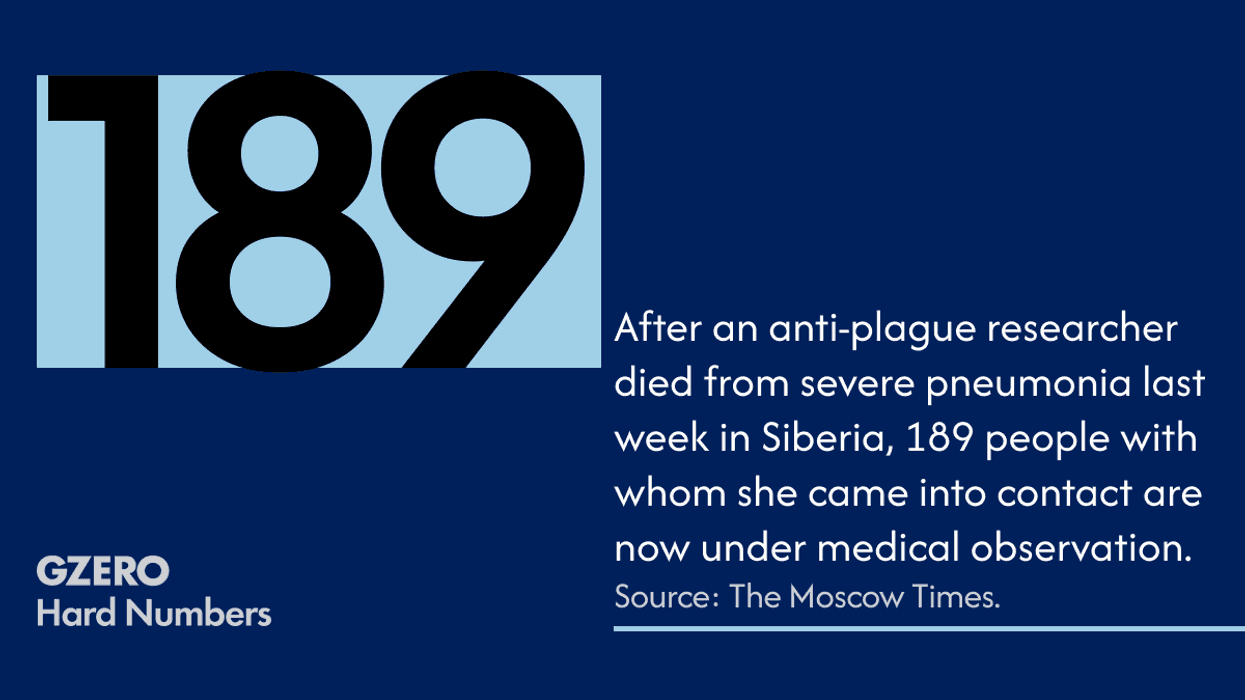
Suspected plague in Russia
October 05, 2026
Brazil's election signals a rightward shift across Latin America
October 05, 2026
How China sees the Trump administration
October 05, 2026
The high-stakes US-China race
October 04, 2026
The great US-China superpower rivalry, with Elizabeth Economy
October 03, 2026
The US-China battle for global dominance
Oct 02, 2026

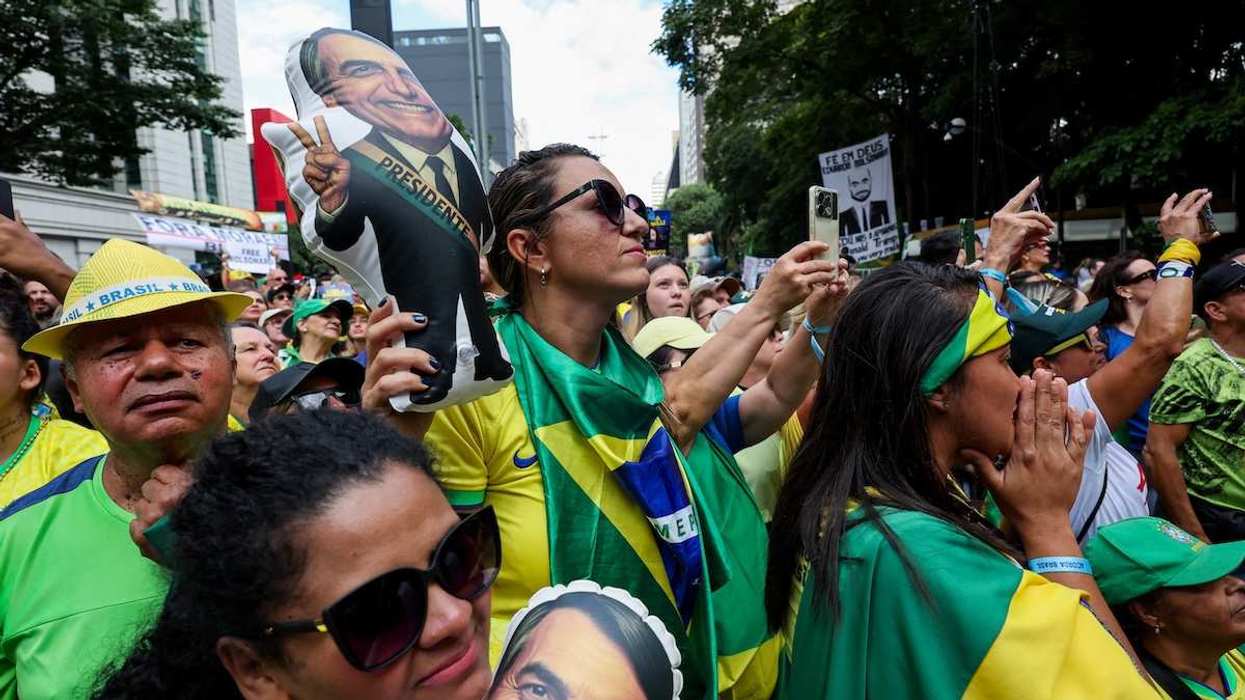
Two Brazilian political dynasties clash again
October 02, 2026
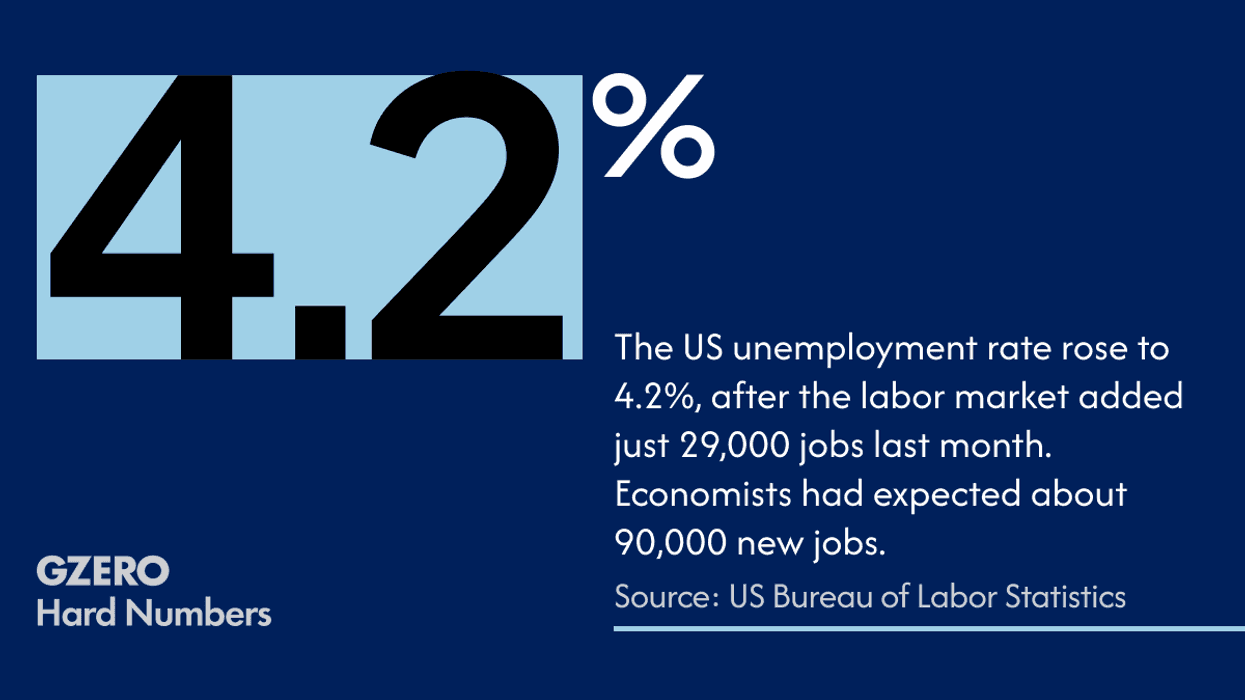
Unemployment on the up
October 02, 2026
Fall survival kit from the Puppet Regime Ministry of Merch
October 02, 2026
You vs. the News: A Weekly News Quiz - October 2, 2026
October 02, 2026
Trump and Xi meet at the White House
October 01, 2026
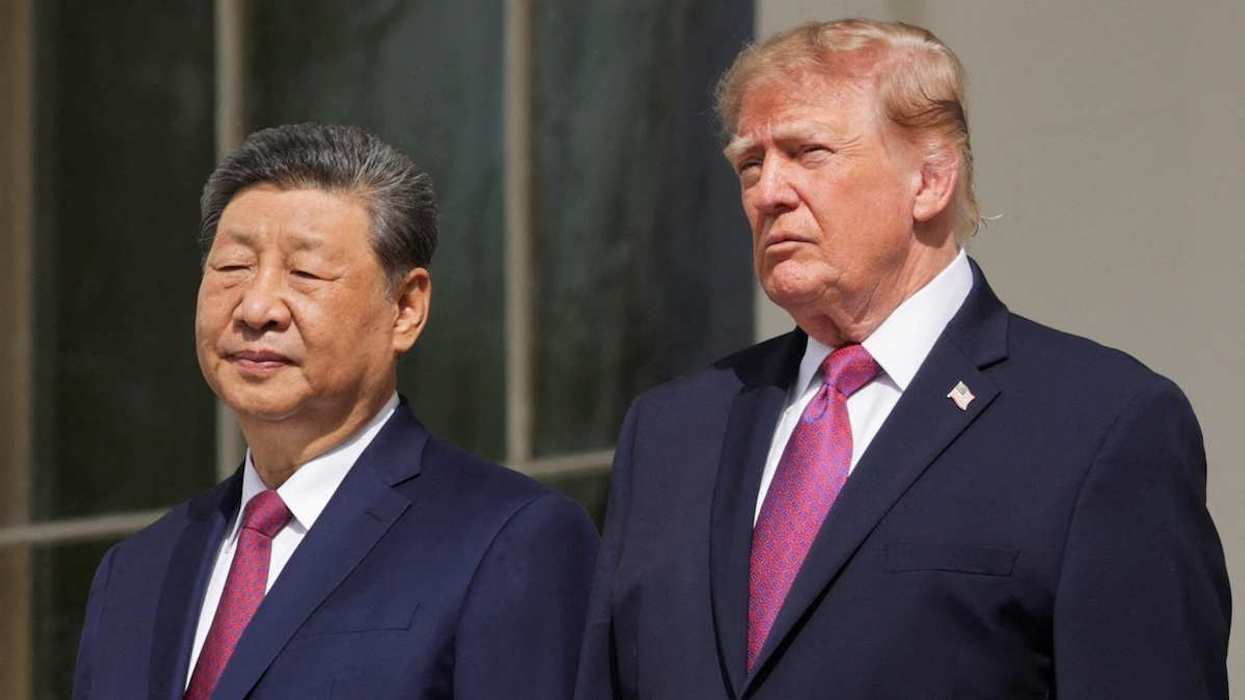
Will China ever replace the US as the world’s dominant superpower?
October 01, 2026
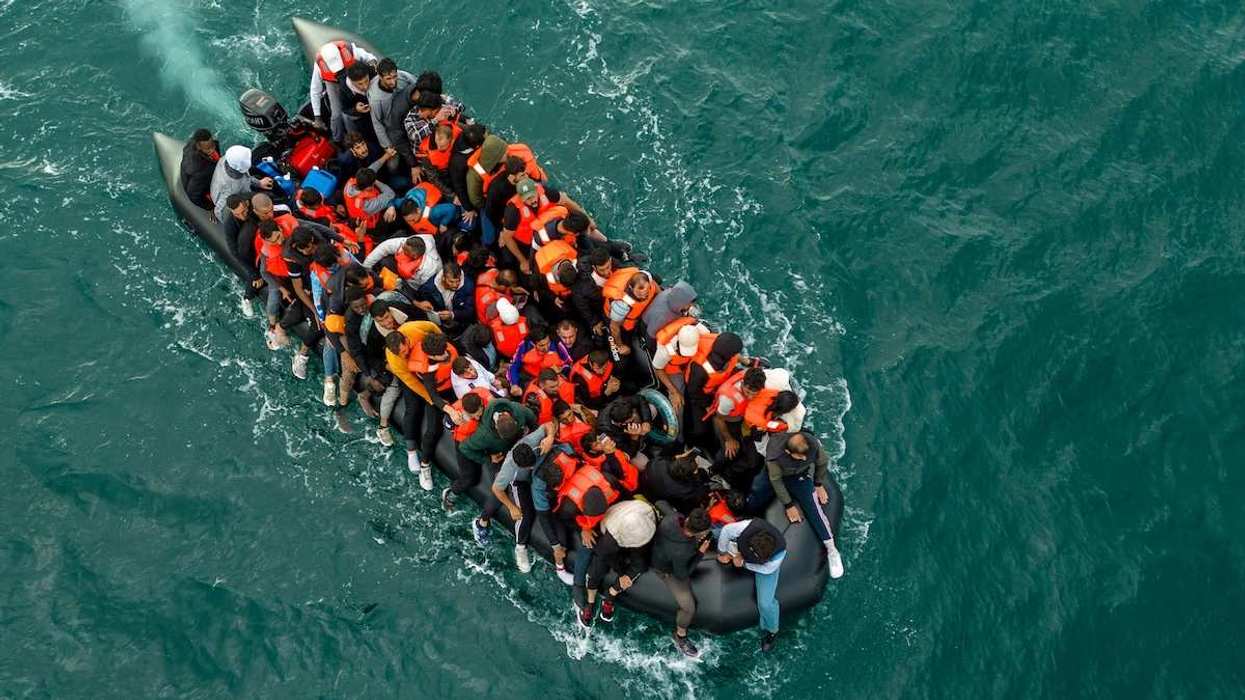
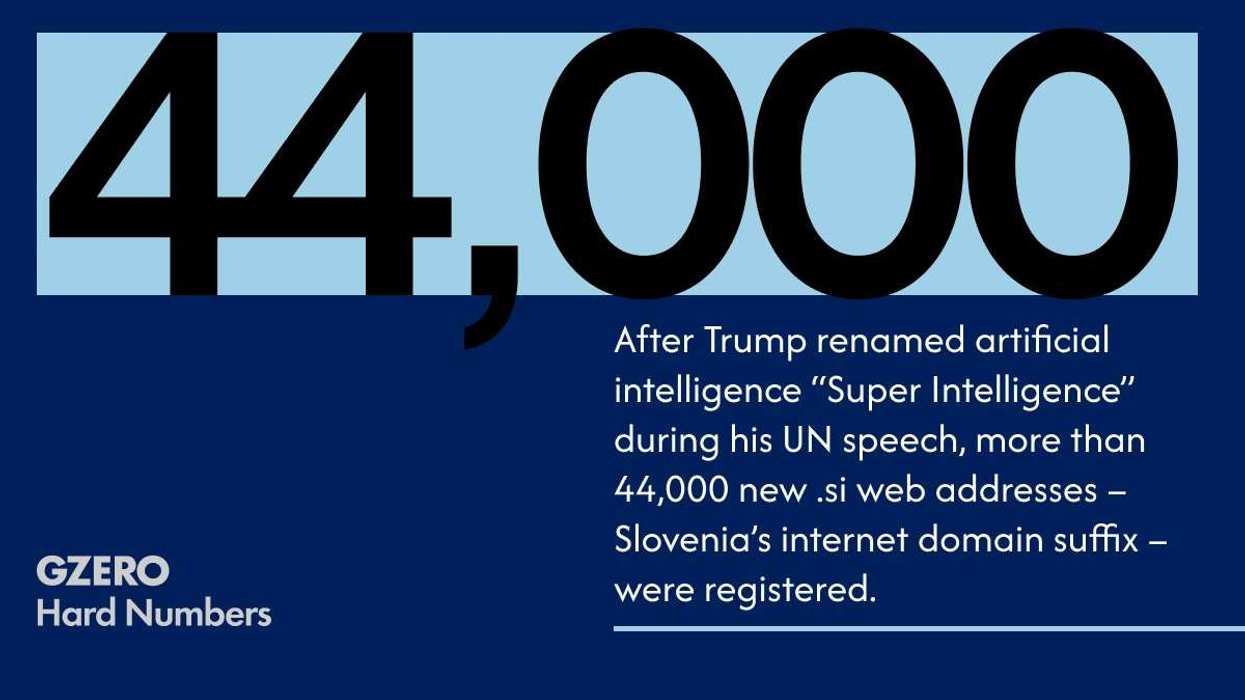
Small countries, super domains
October 01, 2026
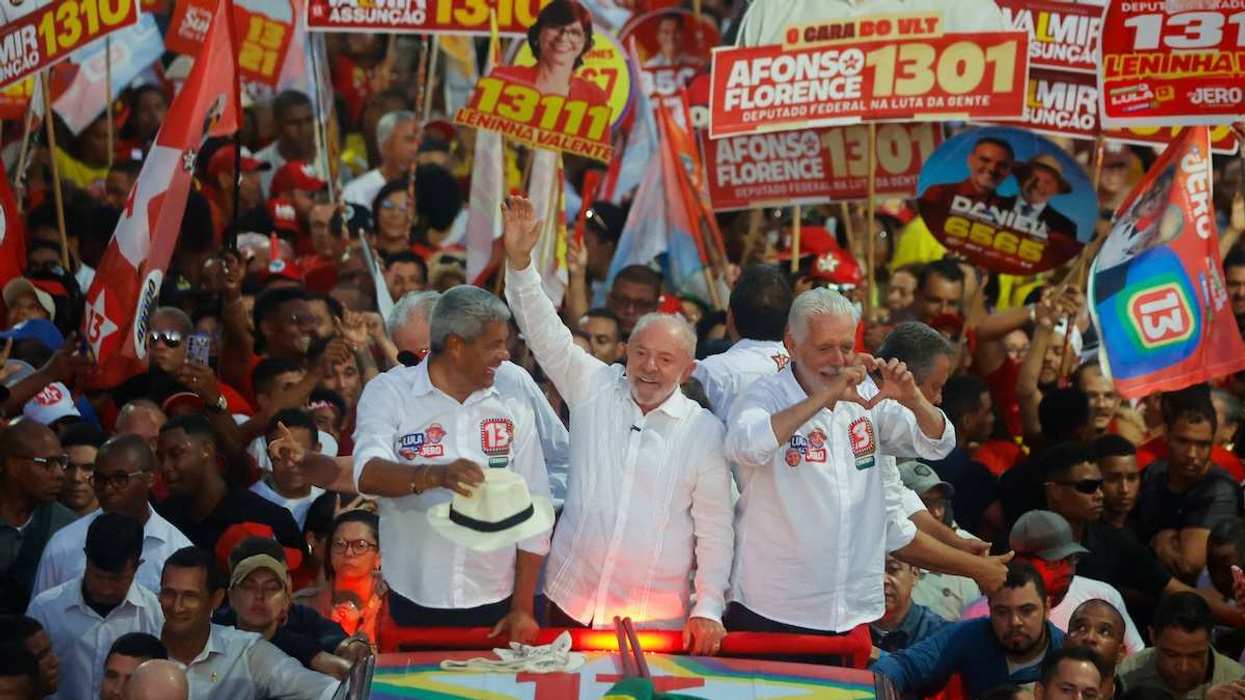
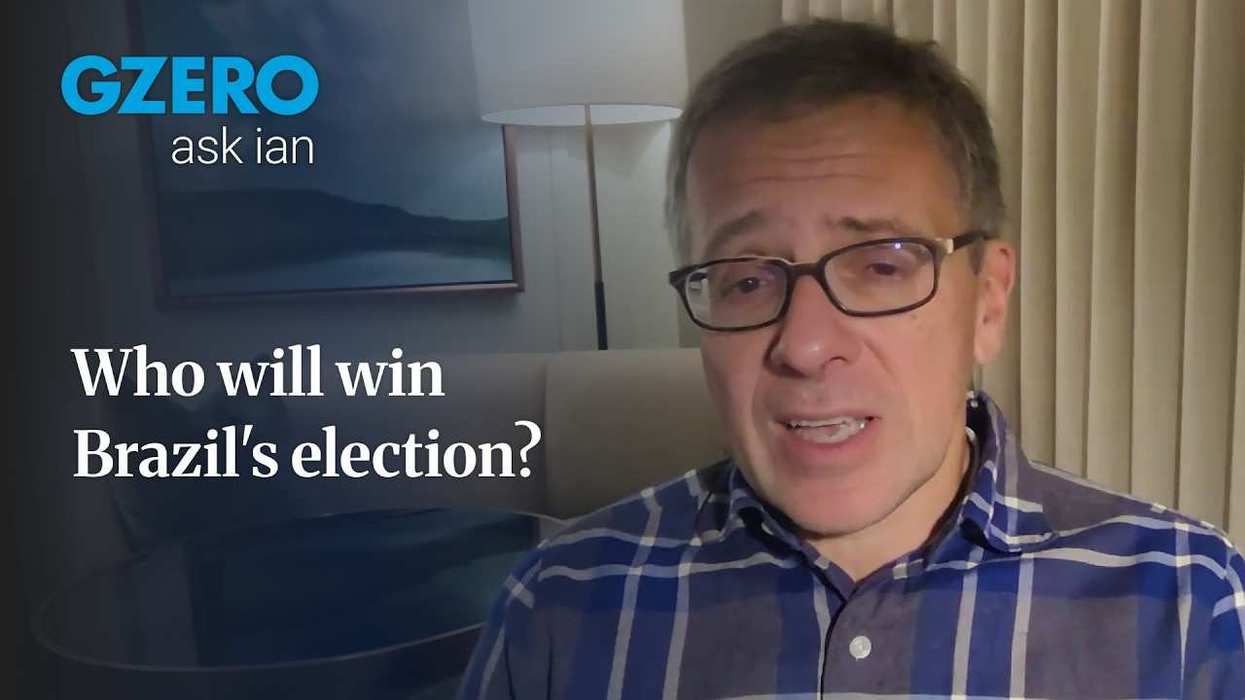
Brazil's razor-close presidential race
September 30, 2026
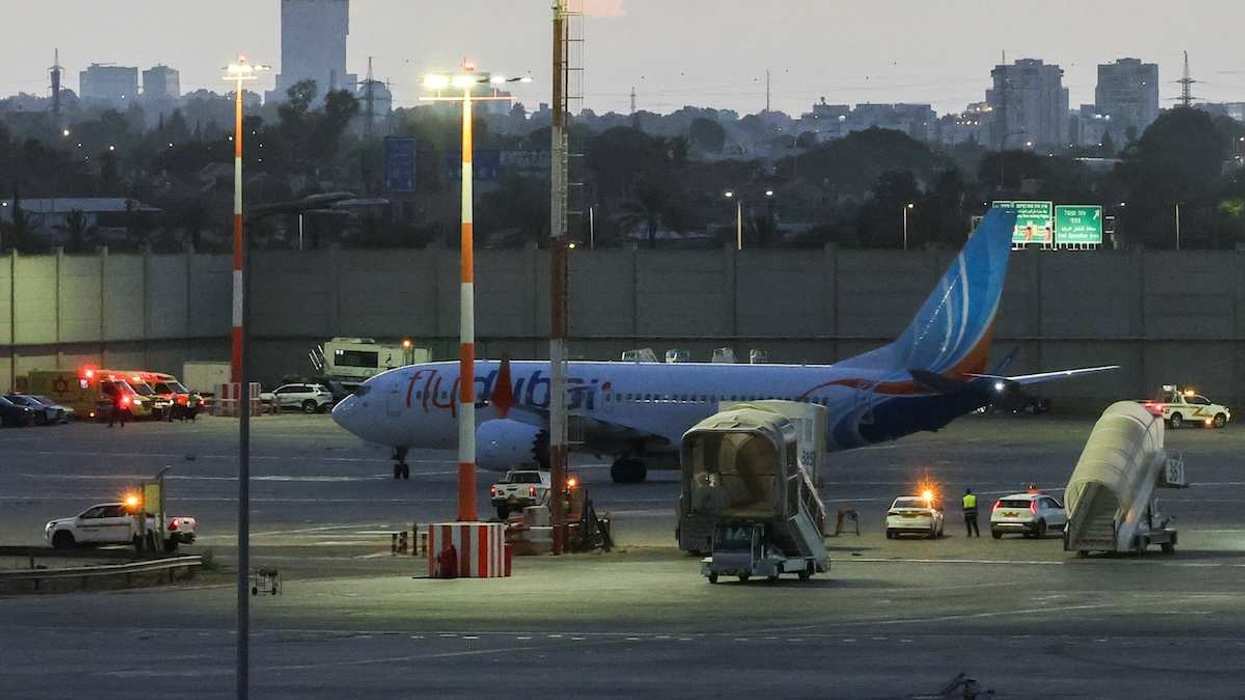
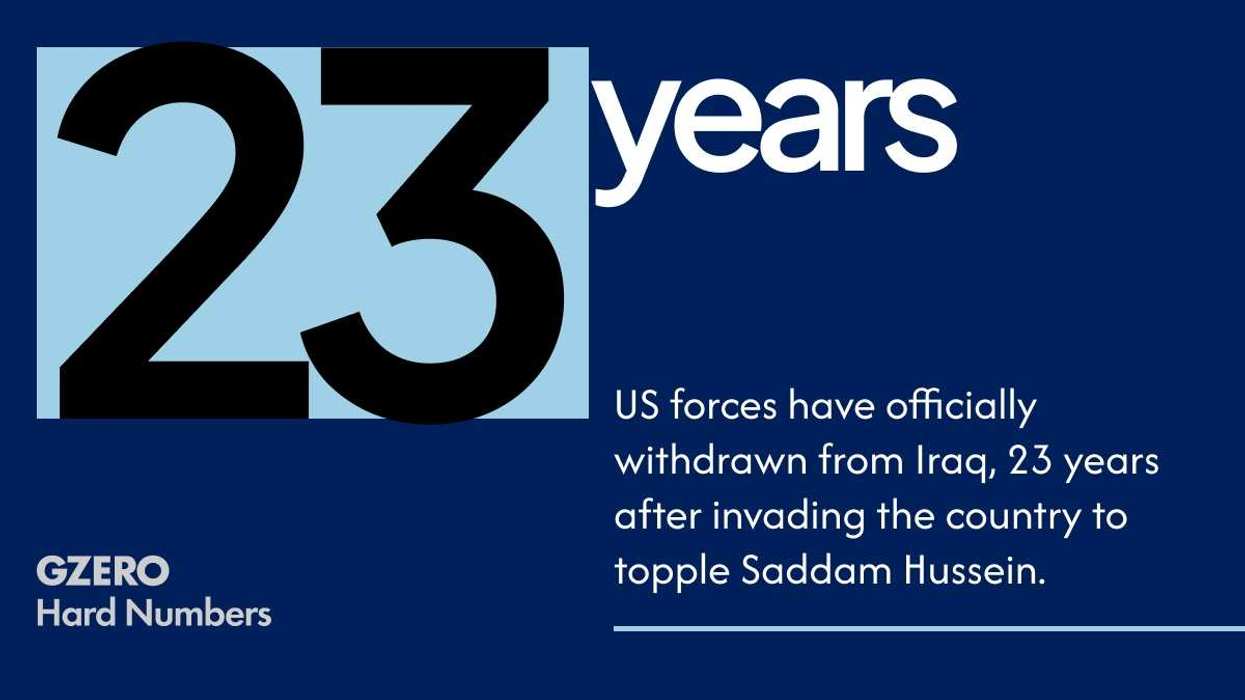
US forces leave Iraq
September 30, 2026

Invested in America’s dreamers
September 30, 2026
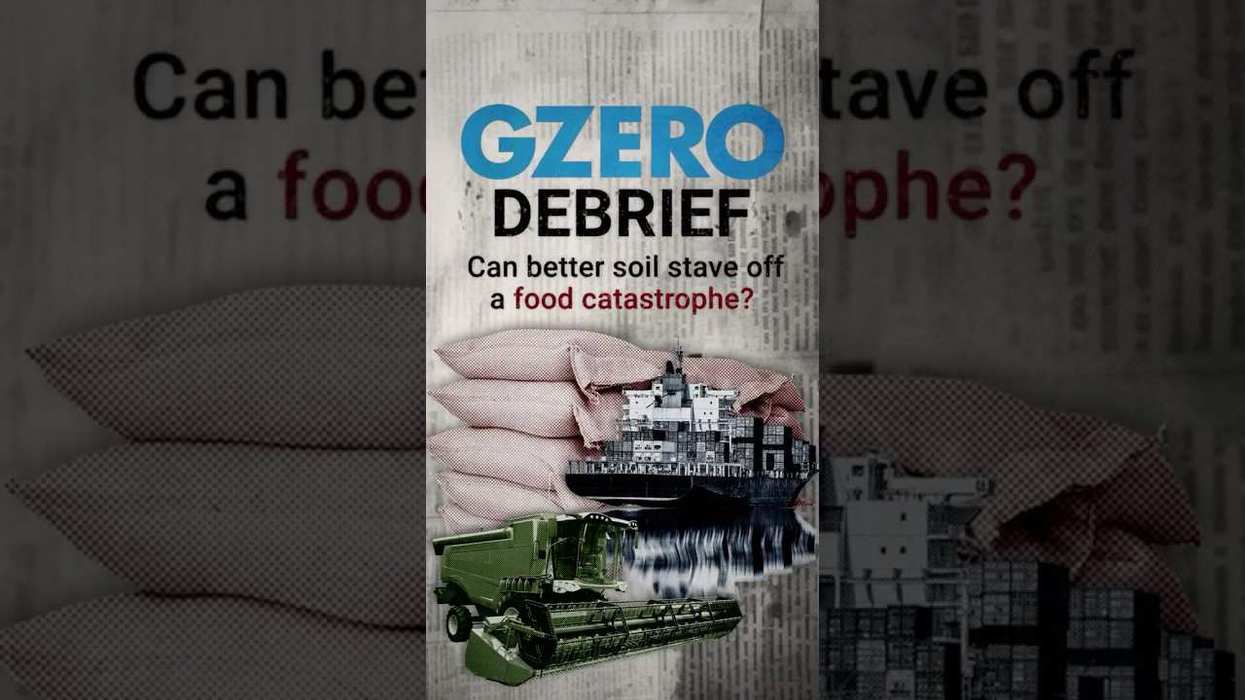
A global food crisis looms. Can earth save the Earth?
September 30, 2026
GZERO Series
GZERO World with Ian Bremmer
Puppet Regime
Quick Take
ask ian
Ian Explains
GZERO Reports
GZERO Europe
The Debrief

© 2026 GZERO Media. All Rights Reserved | A Eurasia Group company.
GZERO Daily: our free newsletter about global politics
Keep up with what’s going on around the world - and why it matters.