Skip to content
Search

Latest Stories

covid

IMF's Kristalina Georgieva: We help countries build resilience to handle shocks
UN General Assembly

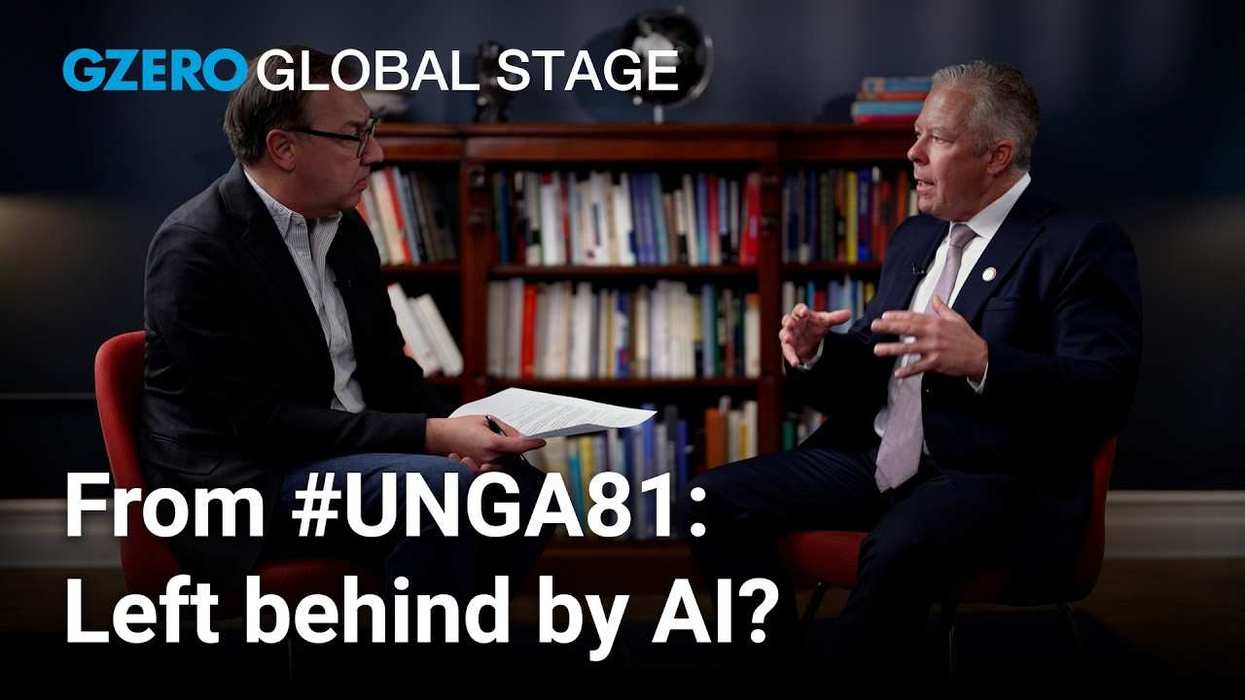
IMF's Kristalina Georgieva: We help countries build resilience to handle shocks

In a GZERO Global Stage discussion at the 79th UN General Assembly, IMF Managing Director Kristalina Georgieva expressed pride in the institution’s proactive response during a period marked by global crises. Georgieva emphasized that the IMF’s role extends beyond financial aid by helping countries build strong policies and institutions, ensuring resilience in the face of shocks.

The US vs TikTok (and China)
ask ian

The US vs TikTok (and China)

Four years since the US declared COVID a national emergency, how did it permanently reshape the world? As the US House goes after TikTok, does it speak to a broader US-China battle? Finally, Princess Kate and the Photoshop fail heard around the world! Big deal? Ian Bremmer shares his insights on global politics this week on World In :60.

“Health is a human right”: How the world can make up progress lost to COVID
Crisis Recovery

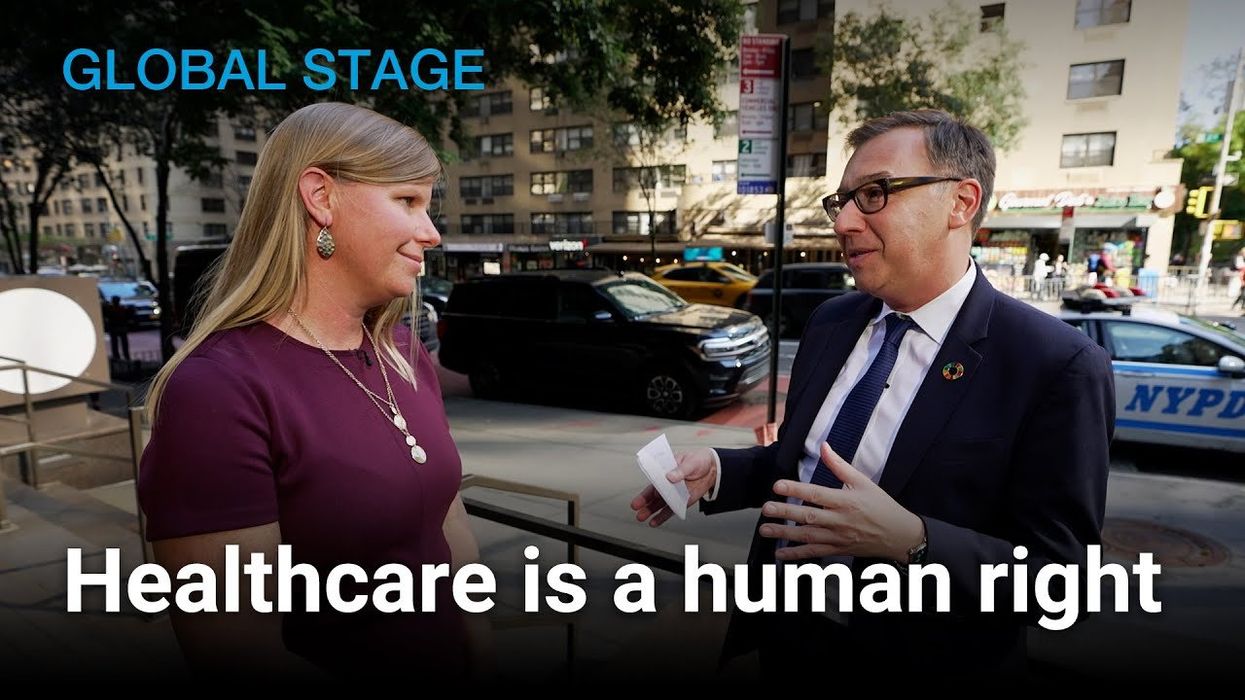
“Health is a human right”: How the world can make up progress lost to COVID

2 billion people are facing "catastrophic or impoverishing" health spending worldwide according to the World Health Organization. And governments in the Global South are taking on more and more debt at the expense of investment in health and social services.

China's COVID lockdowns made its people depressed and hurt its economy
GZERO World Clips

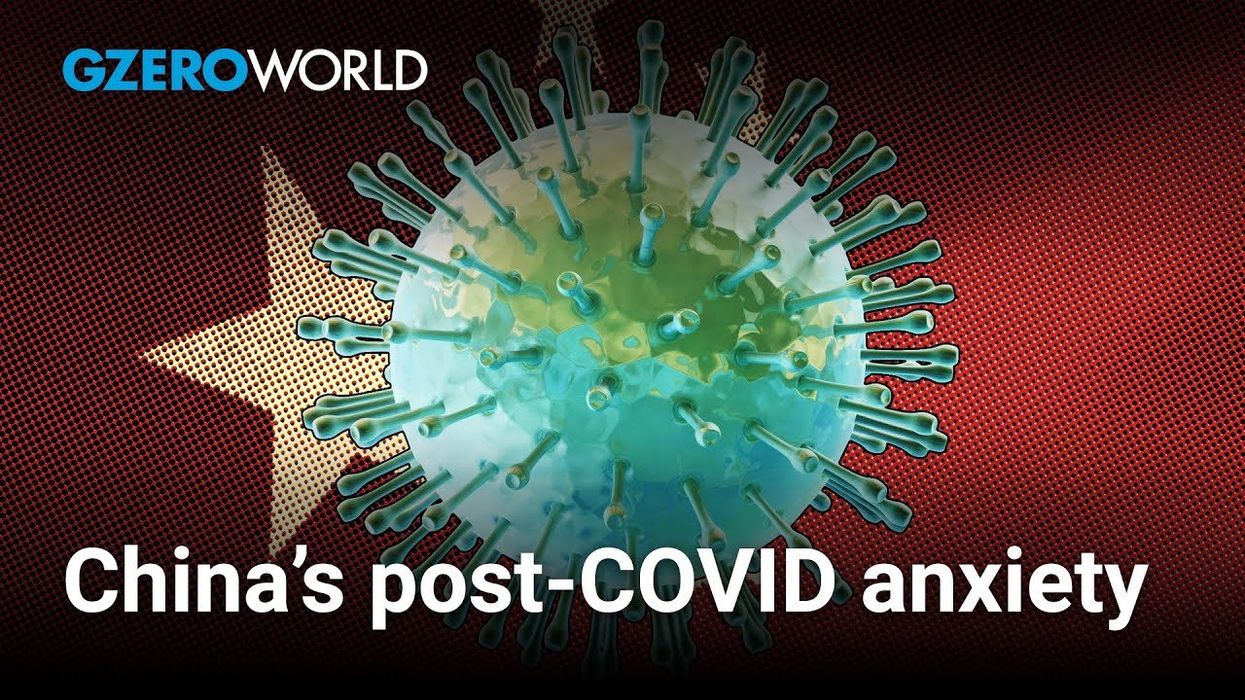
China's COVID lockdowns made its people depressed and hurt its economy

China’s economy keeps slowing down, and that could be a problem for the rest of the world. On GZERO World, Shaun Rein, founder and managing director of the China Market Research Group, sits down with Ian Bremmer to explain why he’s become bearish on China’s economic outlook.

Politics, trust & the media in the age of misinformation
GZERO World with Ian Bremmer

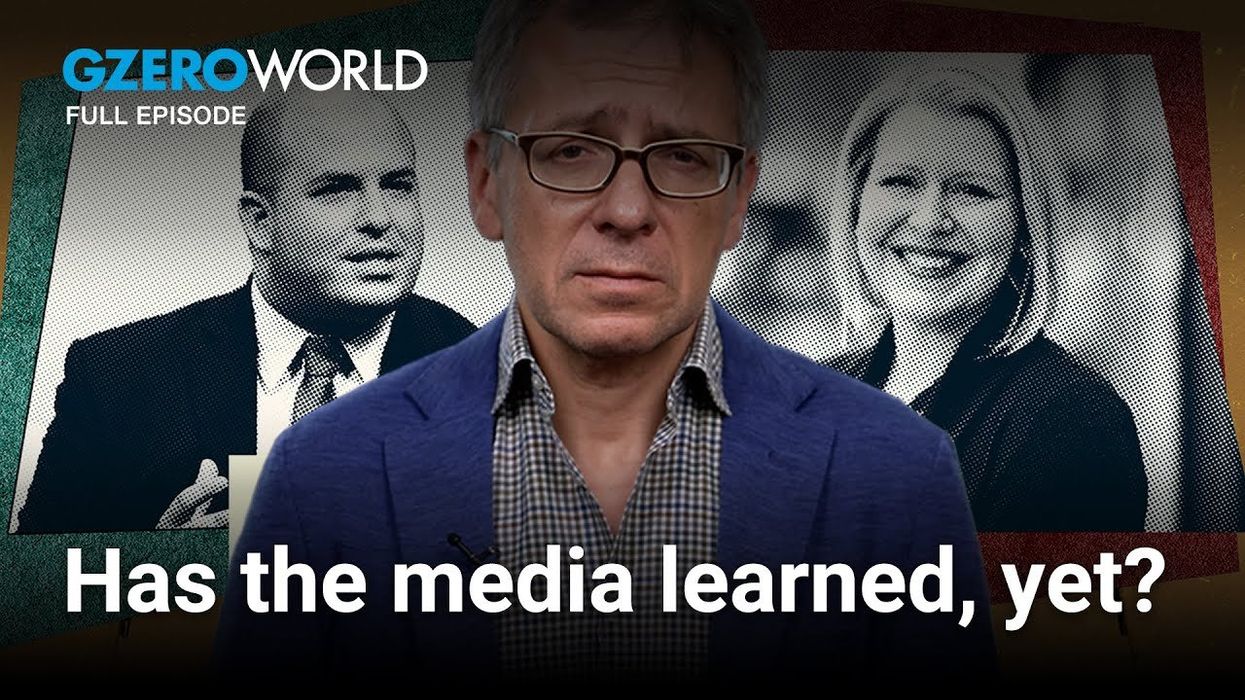
Politics, trust & the media in the age of misinformation

Ahead of the 2024 US presidential election, GZERO World takes a hard look at the media’s impact on politics and democracy itself. In 1964, philosopher Marshall McLuhan coined the phrase, “the media is the message.” He meant that the way content is delivered can be more powerful than the content itself.

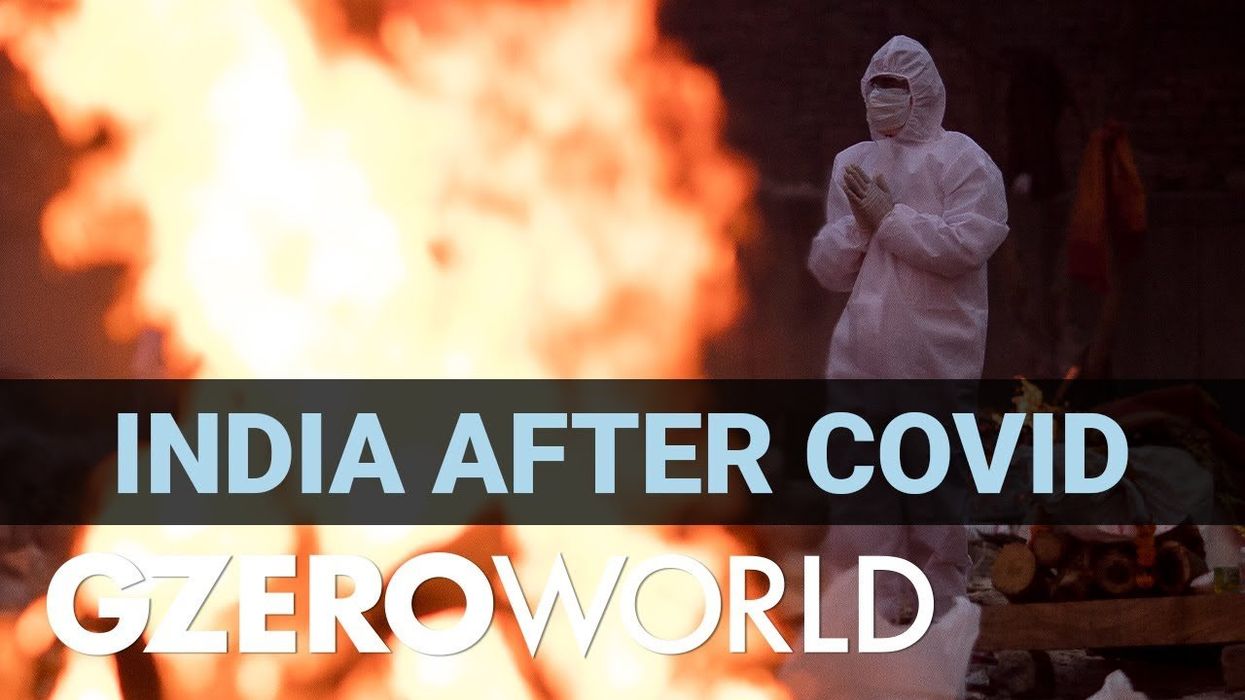
India after COVID
GZERO World Clips

India after COVID

Few nations were as ravaged by COVID as India, especially when the Delta strain tore through the country in the spring of 2021. Delhi-based journalist Barkha Dutt experienced its toll as both a journalist and a daughter. Back when she first appeared on GZERO World in May 2021, she had just lost her father to COVID. She was simultaneously grieving and covering COVID's impact across India.

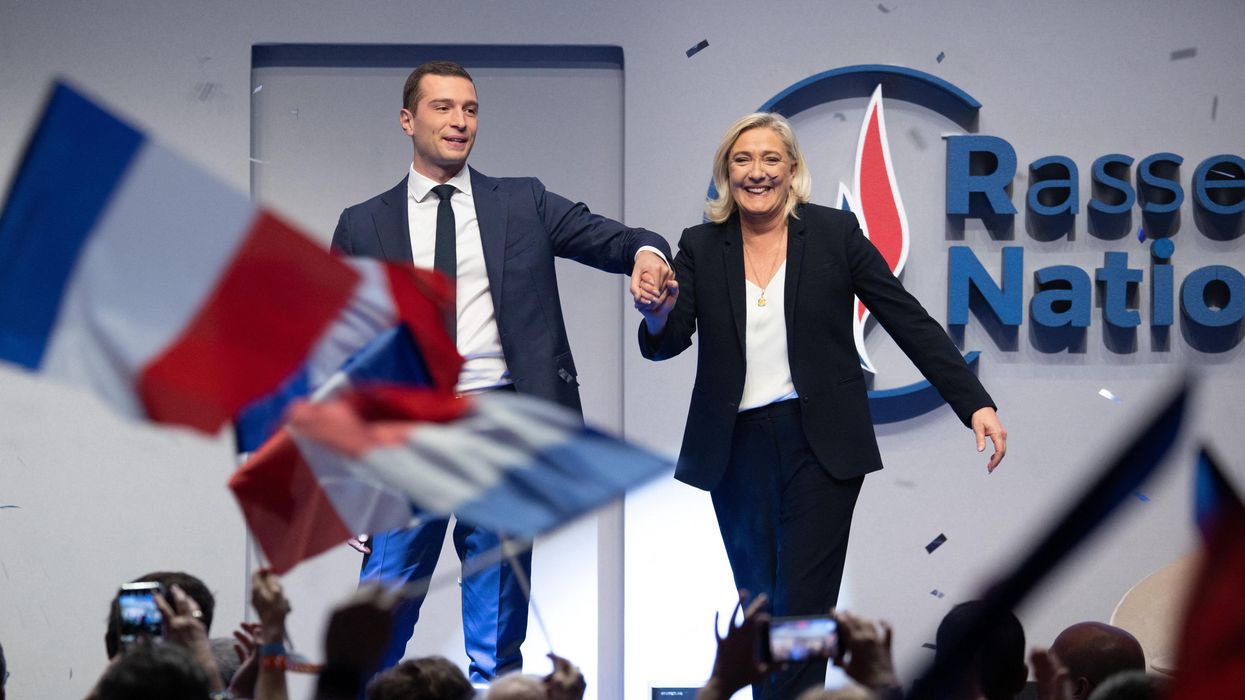
Newly elected National Rally leader Jordan Bardella with the outgoing Marine Le Pen during the party congress in Paris.
News

Hard Numbers: French far-right handover, Big Oil makes big bucks, China vs. COVID, Peruvians want prez out

For the first time in 50 years, the main French far-right party will not be captained by a Le Pen.

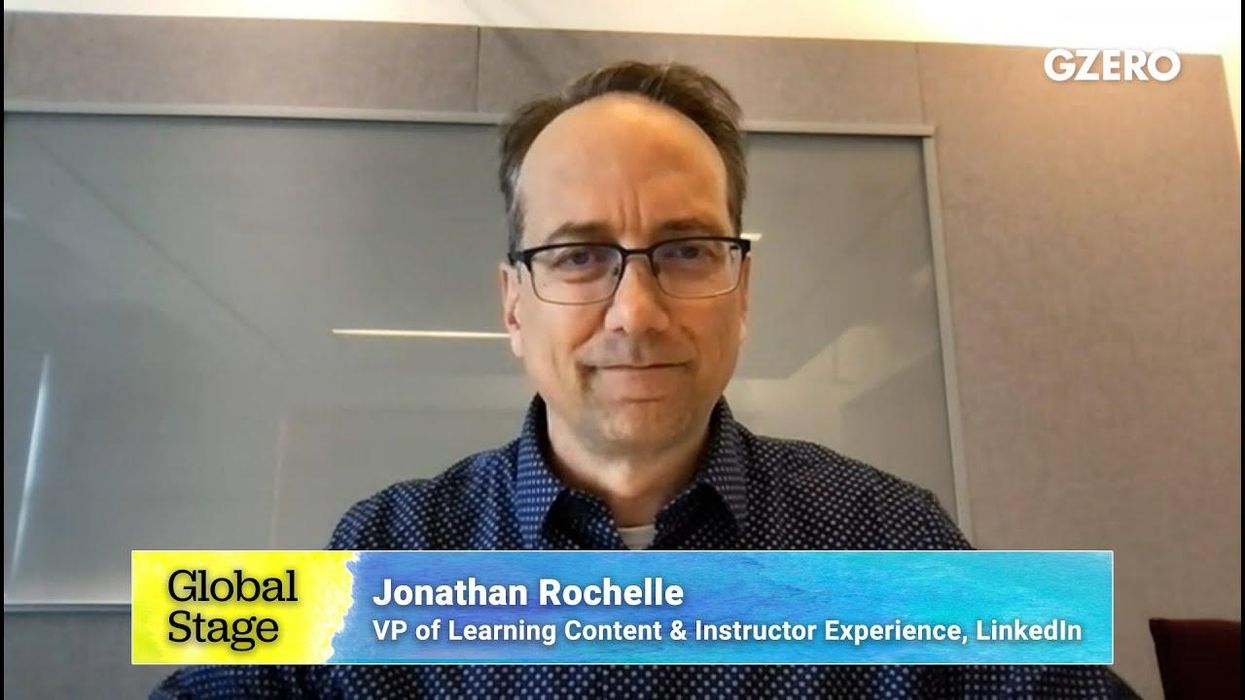
COVID upended the job market & focused employers on skills
Digital Equity

COVID upended the job market & focused employers on skills

COVID had few silver linings. But perhaps one of them is that it upended the labor market in ways that, for once, favored workers over employers. The switch to virtual meant that recruiters were forced to urgently find people with the right digital skills instead of waiting for those that had gone to the "right" schools. "The talent market became a little dry," Jonathan Rochelle, VP of Product Management, Learning Content & Instructor Experience at Linkedin, says during a Global Stage livestream discussion.

António Guterres: Ukraine war united NATO, but further divided the world
GZERO World Clips

António Guterres: Ukraine war united NATO, but further divided the world

Russia invaded Ukraine with impunity — and UN Secretary-General Antonio Guterres fears it may not be the last middle-sized power to pick a fight without consequence in the near future because global security governance is largely bankrupt. "The capacity of deterrence that would exist if the whole powers, with the security council, will be able to say, 'This can't be done,' is not there," he tells Ian Bremmer on GZERO World.